

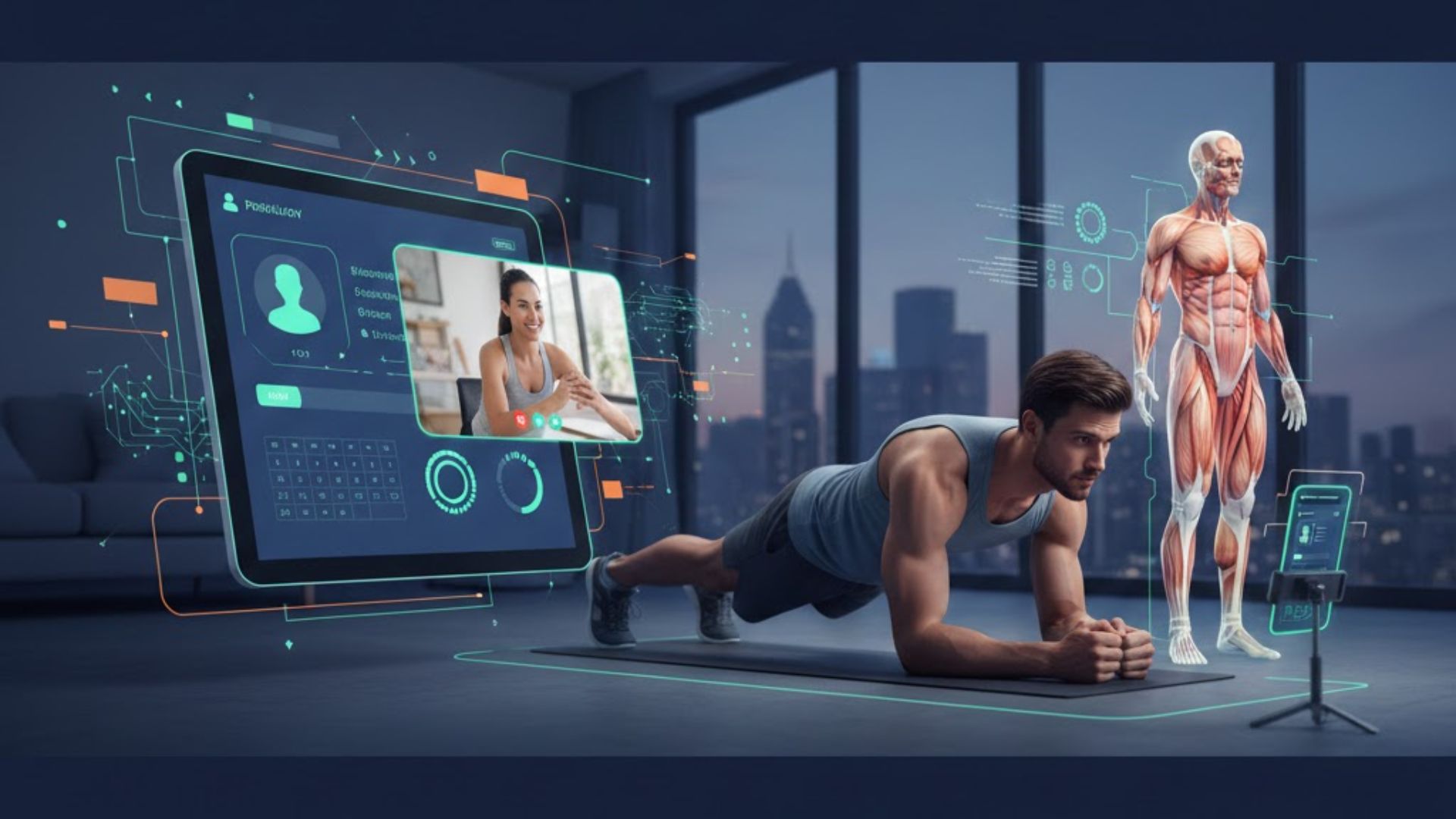
Online personal training software has revolutionized the fitness industry, providing personal trainers and coaches with the tools they need to manage their clients effectively. This guide will explore the functionalities of online personal training software, its evolution from traditional coaching methods, and the essential features that make it indispensable for modern fitness professionals. As the demand for virtual training continues to rise, understanding how these platforms work can help trainers enhance their services and improve client outcomes. We will delve into the benefits of using such software, how to choose the right platform, and the key features to look for in an online personal training solution.
What Is Online Personal Training Software and Who Uses It?
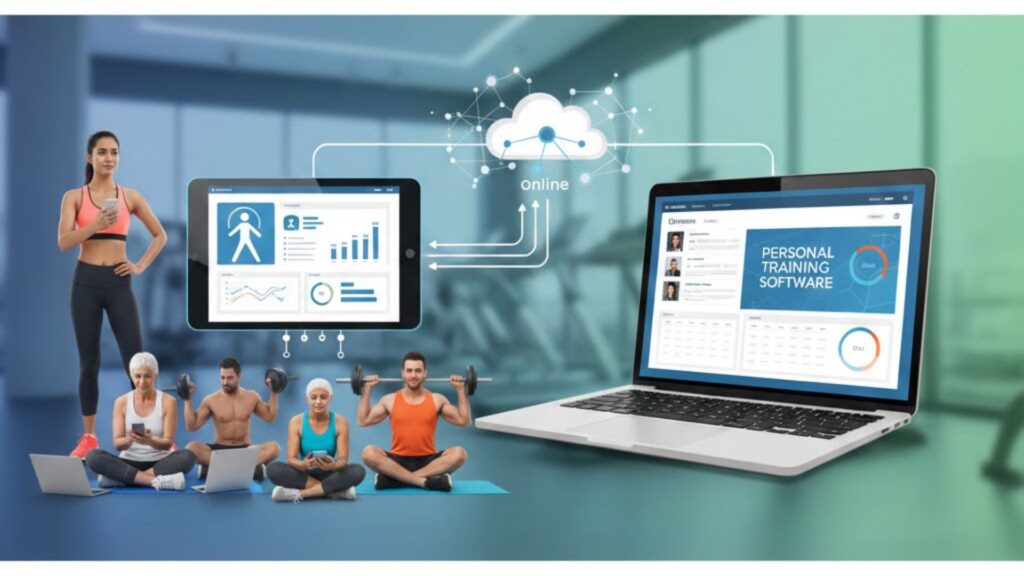
Online personal training software is a digital solution designed to help fitness professionals manage their clients, deliver training programs, and track progress remotely. This software is utilized by a variety of professionals, including personal trainers, gym owners, nutrition coaches, and health coaches, allowing them to provide services to clients regardless of location. The evolution of technology has enabled a shift from traditional in-person coaching to a more flexible, online approach, making fitness accessible to a broader audience.
How Has Online Personal Training Evolved from Traditional Coaching?
The transition from traditional coaching to online personal training has been driven by advancements in technology and changing consumer preferences. Historically, personal training was conducted face-to-face, requiring both the trainer and client to be physically present. However, the rise of the internet and mobile applications has facilitated remote coaching, allowing trainers to connect with clients through video calls, messaging, and dedicated platforms. This evolution has not only expanded the reach of personal trainers but has also provided clients with greater flexibility in their training schedules.
Which Professionals Benefit Most from Online Personal Training Platforms?
Various professionals benefit from online personal training platforms, including:
- Personal Trainers: They can manage multiple clients simultaneously, offering tailored programs and tracking progress efficiently.
- Nutrition Coaches: These professionals can provide dietary guidance and track clients’ nutritional habits through integrated tools.
- Gym Owners: They can enhance their service offerings by providing online training options, attracting a wider clientele.
- Health Coaches: They can support clients with lifestyle and wellness coaching remotely.
The versatility of online personal training software makes it an essential tool for anyone in the fitness industry looking to expand their services and improve client engagement.
What Are the Essential Features of Online Personal Training Software?
When selecting online personal training software, it is crucial to consider the essential features that enhance the user experience and improve client outcomes. Key functionalities include client management tools, workout builders, and nutrition tracking capabilities.
How Does Client Management Software Streamline Trainer-Client Interactions?
Client management software is designed to enhance communication between trainers and clients. It typically includes features such as: Scheduling Tools: Allow trainers to set appointments and manage their calendars efficiently. Progress Tracking: Enables trainers to monitor client progress through metrics and reports. Feedback Mechanisms: Facilitates communication, allowing clients to provide feedback on their training experience. These tools streamline interactions, making it easier for trainers to maintain relationships with their clients and ensure they stay on track with their fitness goals.
What Role Does Workout Builder and Program Delivery Play in Virtual Training?
The workout builder is a critical feature of online personal training software, allowing trainers to create customized workout plans for their clients. This functionality includes: Customization Options: Trainers can tailor workouts based on individual client needs and fitness levels. Integration with Client Profiles: Workout plans can be linked to client profiles, ensuring that trainers can easily access and modify programs as needed. Delivery Methods: Programs can be delivered through various formats, including video demonstrations, written instructions, and interactive apps, enhancing the training experience.
The ability to create and deliver personalized workout plans is essential for effective virtual training, ensuring clients receive the guidance they need to succeed.
How Does Nutrition Tracking and Habit Coaching Enhance Online Training?
What Nutrition Tracking Tools Are Included in Top Platforms?
Top online personal training platforms often include nutrition tracking tools that allow clients to log their meals and monitor their dietary habits. Key features may include: Integration with Food Databases: Clients can easily search for and log foods, making tracking more accurate. User-Friendly Interfaces: Intuitive designs help clients navigate the software with ease. Customization Options: Trainers can set specific dietary goals for clients, tailoring their nutrition plans to individual needs.
These tools empower clients to take control of their nutrition, leading to better overall health outcomes.
How Does Habit Coaching Support Client Progress and Accountability?
Habit coaching is another vital aspect of online training, focusing on helping clients develop sustainable habits that support their fitness goals. This may involve: Tracking Client Habits: Trainers can monitor clients’ daily habits, providing insights into their progress. Setting Achievable Goals: Trainers work with clients to establish realistic and attainable goals, fostering a sense of accomplishment. Providing Feedback and Support: Regular check-ins and encouragement help clients stay accountable and motivated.
By integrating habit coaching into their services, trainers can enhance client engagement and promote long-term success.
How Does Progress Tracking and Analytics Improve Client Outcomes?
What Metrics and Reports Are Available for Coaches and Clients?
Online personal training platforms typically offer a range of metrics and reporting tools, including: Client Progress Metrics: Track weight loss, muscle gain, body measurements, and other fitness goals. Reporting Tools: Generate reports that summarize client progress over time, helping trainers identify trends and adjust programs accordingly. Importance of Data in Decision Making: Data-driven insights enable trainers to make informed decisions about program adjustments and client support.
These metrics are crucial for both trainers and clients, as they provide a clear picture of progress and help maintain motivation.
How Do Wearable Integrations Enhance Progress Monitoring?
Wearable technology has become increasingly popular in the fitness industry, and many online personal training platforms now offer integrations with wearable devices. These integrations enhance progress monitoring by: Types of Wearables Used: Common devices include fitness trackers and smartwatches that monitor heart rate, activity levels, sleep patterns, and calories burned. Data Integration with Software: Wearable data can be synced with training software, providing real-time insights into client performance. Benefits of Real-Time Tracking: Trainers can adjust programs based on real-time data, ensuring clients receive the most effective training possible.
The integration of wearable technology into online personal training software represents a significant advancement in how trainers can monitor and support their clients.
What Are the Benefits of Using Online Personal Training Software for Coaches?

How Can Coaches Scale Their Business Efficiently with These Platforms?
Online personal training software allows coaches to scale their businesses by automating various tasks and reaching a larger audience. Key benefits include:
- Automation of Tasks: Routine administrative tasks can be automated, freeing up time for trainers to focus on client interactions.
- Reaching More Clients: Trainers can offer services to clients worldwide, expanding their potential client base.
- Managing Multiple Clients Effectively: Software tools enable trainers to handle numerous clients simultaneously without sacrificing service quality.
By leveraging these platforms, coaches can grow their businesses while maintaining high levels of client satisfaction.
In What Ways Does Software Improve Client Engagement and Retention?
Engaging clients and retaining them over the long term is crucial for any coaching business. Online personal training software enhances client relationships through features such as: Personalized Communication: Trainers can send tailored messages and updates to clients, fostering a sense of connection. Feedback Mechanisms: Clients can provide feedback on their experiences, allowing trainers to make necessary adjustments. Community Building Features: Many platforms include community features that encourage interaction among clients, creating a supportive environment.
These engagement strategies help trainers build lasting relationships with their clients, ultimately leading to higher retention rates.
How to Choose the Best Online Personal Training Platform for Your Needs?
What Pricing Models and Free Trial Options Should You Consider?
When evaluating online personal training software, it’s important to consider the pricing models and available trial options. Key points include: Different Pricing Structures: Platforms may offer subscription-based pricing, one-time fees, or tiered pricing based on features. Benefits of Free Trials: Many platforms provide free trials, allowing trainers to test the software before committing to a purchase. Long-Term Cost Considerations: Evaluating the long-term costs associated with each platform can help trainers make informed decisions. Understanding the pricing landscape is crucial for selecting a platform that fits within your budget while meeting your needs.
Why Are Integrations and User-Friendliness Critical in Platform Selection?
The usability of online personal training software can significantly impact its effectiveness. Considerations include: Importance of Seamless Integrations: Platforms that integrate with other tools, such as nutrition tracking apps or wearable devices, can enhance functionality. User Experience Considerations: A user-friendly interface ensures that both trainers and clients can navigate the software with ease. Impact on Client Satisfaction: A well-designed platform can lead to higher client satisfaction, as users are more likely to engage with software that is easy to use.
Choosing a platform that prioritizes user experience and integration capabilities is essential for maximizing the benefits of online personal training.
| Feature | Description | Benefit |
|---|---|---|
| Client Management | Tools for scheduling and communication | Streamlines trainer-client interactions |
| Workout Builder | Customizable workout plans | Enhances personalization of training |
| Nutrition Tracking | Tools for logging meals | Supports comprehensive client health |
Online personal training software has transformed the fitness landscape, providing trainers with the tools they need to succeed in a digital world. By understanding the essential features, benefits, and selection criteria, fitness professionals can leverage these platforms to enhance their services and better support their clients.

