

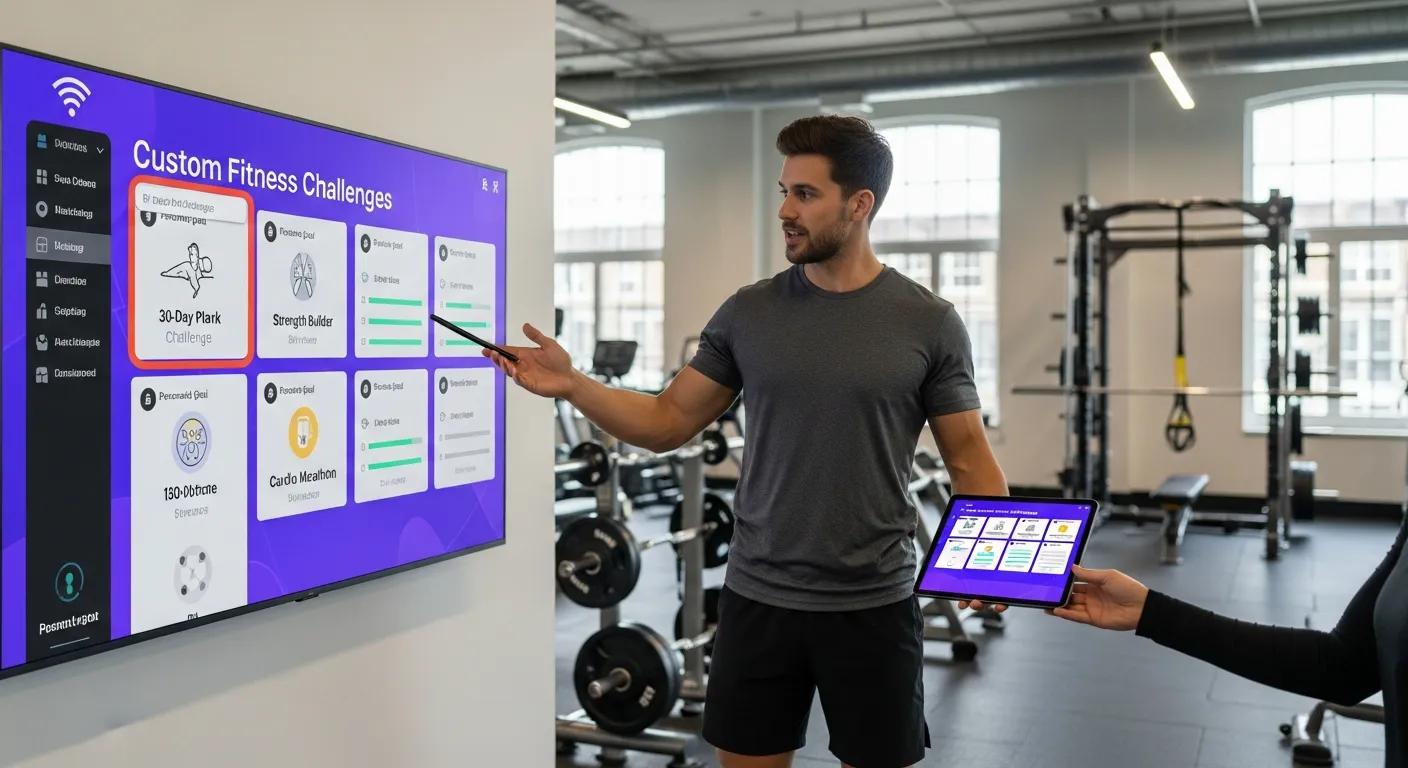
Online personal training software gives fitness professionals a practical platform to build and run custom workout programmes. It reduces administrative work, supports personalised challenge design, and improves client engagement through features such as progress tracking and communications. This article explains how such software enables tailored fitness challenges, describes the core features that deliver results, outlines best practices for monitoring client progress, and considers how integrated nutrition coaching increases effectiveness.
Digital platforms have measurably changed how the fitness sector delivers personalised coaching and maintains participant engagement.
Rise of Digital FitnessPlatforms & Personalized Online Coaching
Following the COVID-19 pandemic, digital fitness platforms expanded rapidly and altered how people access exercise. Online training demand increased across live-stream classes, on-demand content, and one-to-one remote coaching[1]. Social fitness features—enabled by apps linked to social networks—have grown in popularity among younger users, allowing goal sharing, friendly competition, and peer support. These elements support motivation and sustain engagement in regular exercise. Sports and Exercise in the Era of Digital Transformation; The Rise of Online Training, 2024
What is Online Personal Training Software and How Does It Support Fitness Challenges?
Online personal training software is a centralised digital system for managing client programmes. It supplies tools for building customised workouts, tracking outcomes, and maintaining trainer–client communication. The main advantage is a better client experience: personalised challenges that sustain motivation and allow trainers to monitor performance and adapt plans so clients meet their objectives.
Defining Personal Training Software and Its Core Features
Personal training software combines client management, workout builders, and progress-tracking capabilities. These components enable trainers to design programmes aligned with specific goals—such as fat loss, muscle development, or general fitness. Common supporting features include scheduling, automated reminders, and feedback channels that reinforce accountability and maintain client adherence.
How Software Enables Custom Fitness Challenge Creation

Custom fitness challenges are facilitated by templates and configurable elements within the software. Trainers can adapt challenges to different fitness levels and preferences and integrate devices or trackers—such as step counters and calorie monitors—to capture objective data. The platform also centralises goal-setting, progress monitoring, and recognition, which supports engagement and a constructive competitive environment.
How to Design Effective Custom Fitness Challenges Using Software Tools?
Effective challenge design follows a clear process: define the primary objective (for example endurance, weight reduction, or strength), set an appropriate duration, and select specific activities. Use the software to structure daily or weekly tasks and embed feedback loops so trainers can refine the programme based on participant performance and preferences.
Selecting Challenge Types: Step, Weight Loss, and More
When selecting a challenge format, match the type to client objectives and available tracking tools. Common formats include step-based activity goals, calorie-focused weight-loss programmes, and progressive strength routines. Choosing the right type ensures challenges remain relevant and motivates participants toward measurable outcomes.
- Step Challenges: Encouraging clients to increase their daily step count, promoting cardiovascular health and overall activity levels.
- Weight Loss Challenges: Focusing on calorie tracking and exercise routines designed to help clients shed pounds effectively.
- Strength Training Challenges: Aimed at building muscle through progressive resistance training, tailored to individual fitness levels.
By selecting the appropriate challenge type, trainers can ensure that their clients remain engaged and motivated to achieve their fitness goals.
Incorporating Client Engagement and Gamification Features
Gamification boosts adherence by adding measurable milestones and social incentives. Features like leaderboards, badges, and rewards create short-term goals and visible progress. Coupled with personalised messages and checkpoints, these elements sustain motivation and reinforce accountability throughout the challenge.
What Are the Best Practices for Tracking Client Progress in Virtual Fitness Challenges?
Accurate progress tracking requires scheduled reviews, a mix of objective and subjective metrics, and open feedback. Regularly assess results, use multiple indicators to form a rounded view, and invite client input to identify barriers and adjust targets.
- Regular Check-Ins: Schedule consistent assessments to discuss progress and adjust goals as necessary.
- Utilizing Progress Metrics: Implement various metrics, such as weight, body measurements, and fitness levels, to provide a comprehensive view of client progress.
- Engagement Through Feedback: Encourage clients to share their experiences and challenges, fostering an open dialogue that can lead to better outcomes.
Following these practices helps trainers keep clients motivated and on course to meet agreed targets.
Utilizing Client Progress Tracking Tools and Metrics
Tracking tools should automate data capture where possible and present concise metrics for decision-making. Useful capabilities include automatic workout logging, monitoring of session frequency and intensity, and clear visualisations that summarise trends over time.
- Automated Tracking Tools: Software that automatically logs client workouts and progress, reducing the administrative burden on trainers.
- Key Metrics to Monitor: Important indicators such as workout frequency, intensity, and client feedback can provide insights into client engagement and success.
- Importance of Data Visualization: Utilizing graphs and charts to present progress data can help clients visualize their achievements and stay motivated.
Leveraging these tools enables trainers to deliver more tailored coaching and to respond to performance signals promptly.
Automated Reporting and Leaderboard Integration
Automated reports convert raw data into actionable insights, allowing trainers to prioritise interventions and optimise programmes. Integrating leaderboards within reports adds a motivational layer that can increase participation and improve retention when managed appropriately.
How to Integrate Nutrition Coaching Within Online Fitness Challenge Platforms?

Nutrition coaching complements exercise challenges by addressing energy balance and dietary quality. Integration approaches include unified access to meal plans, synchronised tracking of food intake with workouts, and standardised feedback loops so trainers can adjust nutrition recommendations alongside training loads.
- Unified Platform for Fitness and Nutrition: Offering clients a single platform where they can access both workout and nutrition plans simplifies their experience.
- Importance of Personalized Meal Plans: Tailoring meal plans to individual dietary needs and preferences can enhance the effectiveness of fitness challenges.
- Engagement Through Nutrition Tracking: Encouraging clients to log their meals and track their nutritional intake can promote accountability and better results.
Combining fitness and nutrition coaching on one platform gives trainers a complete view of client behaviour and improves the likelihood of sustained results.
The objective of integrated platforms is to replicate the continuity and responsiveness of in-person personal training within a digital environment.
Integrated Platforms for Personalized FitnessManagement
The proposed system aims to establish a robust communication framework that approximates the direct personal-contact model. Integrated service platform for personalized exercise & nutrition management, S Malik, 2008
Combining Workout Plans with Nutrition Guidance
Maximising challenge outcomes requires aligned workout and nutrition strategies. Effective integration ensures training loads and dietary recommendations support the same performance or body-composition targets.
- Integration of Workout and Nutrition Tracking: Utilizing software that allows clients to log both their workouts and meals can provide a complete picture of their progress.
- Importance of Habit Coaching: Helping clients develop healthy habits around both exercise and nutrition can lead to sustainable lifestyle changes.
- Educational Content for Clients: Providing resources and information about nutrition can empower clients to make informed choices that support their fitness goals.
Providing a coordinated programme of exercise, nutrition and education increases the probability of measurable, sustainable client improvements.
What Features Should You Look for in Fitness Challenge Software?
When choosing software, prioritise usability, flexible client management, and comprehensive tracking. These elements reduce friction for clients and enable trainers to deliver structured, data-informed programmes.
- Ease of Use and Client Management Tools: The software should be user-friendly, allowing trainers to easily manage client information and track progress.
- Customization Options and Progress Tracking: Look for software that offers customizable templates for challenges and robust tracking capabilities.
- Integration Capabilities with Other Apps: The ability to integrate with other fitness and health apps can enhance the overall functionality of the software.
Focusing on these features helps trainers select software that supports efficient delivery and measurable client outcomes.
Custom Workout Plan Builders and Virtual Coaching Tools
Custom plan builders should let trainers compose adaptable programmes and update them as clients progress. Virtual coaching tools must support schedule flexibility, clear instruction, and integrated tracking so trainers can respond to real-time data.
- Create Flexible Workout Plans: The ability to adjust plans based on client feedback and progress is crucial for effective coaching.
- Importance of Flexible Scheduling: Clients should have the option to modify their workout schedules to fit their lifestyles.
- Tracking Client Progress Effectively: Utilizing built-in tracking features can help trainers monitor client performance and make necessary adjustments.
When combined, these capabilities enable a personalised coaching workflow that improves adherence and results.
Client Accountability and Challenge Tracking Capabilities
Accountability features reduce drop-off by keeping clients focused on short-term goals. Effective platforms include scheduled reminders, centralised messaging, and visual dashboards that demonstrate progress at a glance.
- Automated Check-Ins and Accountability Systems: Regular automated reminders can help clients stay on track with their goals.
- Centralized Communication Tools: A platform that facilitates communication between trainers and clients can enhance accountability and support.
- Customizable Dashboards for Tracking: Providing clients with a personalized dashboard to view their progress can motivate them to stay engaged.
Integrating these accountability mechanisms supports higher retention and more consistent client performance.
How Can Coaches Maximize Business Growth Using Virtual Fitness Coaching Platforms?
Virtual platforms create scalable opportunities. Coaches can automate routine tasks, apply retention tactics, and cultivate community features that increase client lifetime value and attract referrals.
- Automation of Tasks for Efficiency: Streamlining administrative tasks through software can free up time for coaches to focus on client engagement.
- Client Retention Strategies: Implementing personalized communication and follow-up strategies can enhance client loyalty.
- Building Community Among Clients: Creating a sense of community through group challenges and social features can foster client engagement and retention.
Executed well, these approaches allow coaches to scale service delivery while maintaining high-quality client outcomes.
Streamlining Operations with Online Training Software
Online training software centralises client data, automates repetitive workflows, and consolidates communication—reducing administrative overhead and improving service consistency.
- Centralized Client Management: Having all client information in one place simplifies management and communication.
- Automated Workflows for Efficiency: Automating routine tasks can save time and reduce errors.
- Importance of Integrated Communication: Effective communication tools can enhance the client experience and improve satisfaction.
These efficiencies free coaches to invest time in programming and client relationships rather than manual administration.
Leveraging Case Studies and Success Stories for Credibility
Case studies and testimonials demonstrate competence and outcomes. Presenting documented client results and structured narratives helps prospects evaluate your approach and builds trust.
- Sharing Client Success Stories: Highlighting real-life transformations can inspire potential clients to engage with your services.
- Using Testimonials Effectively: Collecting and showcasing client testimonials can build trust and credibility.
- Creating Engaging Content Around Successes: Developing content that tells the story of client journeys can resonate with prospective clients.
Well-framed success stories support marketing efforts and provide evidence that your methods produce measurable results.
Frequently Asked Questions
What are the benefits of using personal training software for fitness challenges?
Personal training software centralises client records, streamlines programme creation, and improves communication. Trainers gain visibility into client progress and can make data-informed adjustments. Engagement features—such as goal setting and progress displays—help sustain participation, while gamification elements increase motivation and enjoyment.
How can trainers ensure client engagement during fitness challenges?
To maintain engagement, combine gamified milestones with personalised messages and scheduled feedback. Use leaderboards and rewards selectively to encourage participation, and conduct regular check-ins to address obstacles and reinforce progress.
What types of fitness challenges can be created using personal training software?
Software supports a range of challenge types: step-count programmes for daily activity, calorie-focused weight-loss plans, and progressive strength cycles. It also enables hybrid challenges that target multiple attributes—such as endurance plus flexibility—tailored to client objectives.
How can nutrition coaching be integrated into fitness challenges?
Integrate nutrition by delivering personalised meal plans, enabling meal logging alongside workouts, and offering educational resources. Tracking dietary intake in the same platform as training data promotes accountability and allows coordinated adjustments to improve outcomes.
What metrics should trainers monitor to track client progress effectively?
Monitor a combination of behavioural and outcome metrics: session frequency, intensity, and client-reported feedback, alongside objective measures like weight and circumference. Regular assessments and graphical reports help identify trends and guide programme changes.
How can automated reporting improve the management of fitness challenges?
Automated reporting provides timely insights that reduce manual analysis and inform coaching decisions. Reports highlight performance trends and participation levels, and when paired with leaderboards they can increase motivation and simplify programme oversight.
What features should trainers prioritize when selecting fitness challenge software?
Prioritise intuitive interfaces, flexible client management, and robust tracking. Customisation options, integration with third-party apps, gamification features, automated reporting, and communication tools are also essential for delivering a comprehensive client experience.
Conclusion
Online personal training software enables coaches to deliver tailored fitness challenges that improve client engagement and outcomes. By combining progress tracking, gamification, and integrated nutrition coaching, trainers can create structured programmes that support long-term health goals. Explore how a unified platform can streamline delivery and enhance client results.

