Frequently Asked Questions
How long does it take to become a nutrition coach?
The time required to become a nutrition coach can vary, typically ranging from several months to a year or more, depending on the specific training program and certification requirements.
What is the best nutrition coaching certification?
The best nutrition coaching certification depends on the individual's goals, experience, and the specific requirements of their coaching practice. Several reputable certifications, such as those offered by the National Academy of Sports Medicine (NASM), the International Sports Sciences Association (ISSA), or the Precision Nutrition (PN) program, are widely recognized in the industry.
How much should I charge as a nutrition coach?
The amount to charge as a nutrition coach depends on various factors such as your experience, location, services offered, and the local market rates. Typically, nutrition coaches charge between $50 to $150 per session or package.
Is a nutrition coach worth it?
A nutrition coach can be worth it for those seeking guidance in developing sustainable eating habits and achieving their health and fitness goals.
Is nutrition coaching worth it?
Nutrition coaching can be worthwhile as it provides personalized guidance to help clients achieve their health and wellness goals through sustainable dietary changes.
What can a nutrition coach do?
Nutrition coaches can help clients develop sustainable eating habits, provide personalized dietary recommendations, monitor progress, and offer accountability and support to achieve their health and wellness goals.
Which nutrition certifications are most recognized?
The most recognized nutrition certifications include the Certified Nutrition Specialist (CNS), Registered Dietitian Nutritionist (RDN), and Certified Health Education Specialist (CHES) credentials, which are widely respected in the industry.
What skills do I need as a nutrition coach?
As a nutrition coach, you need skills in nutrition science, behavior change, client communication, and program design to help clients achieve their health and wellness goals.
How does experience affect nutrition coaching rates?
The level of a nutrition coach's experience often directly influences their coaching rates, as more experienced coaches typically charge higher fees due to their expertise, proven track record, and specialized knowledge.
What tools enhance a nutrition coachs efficiency?
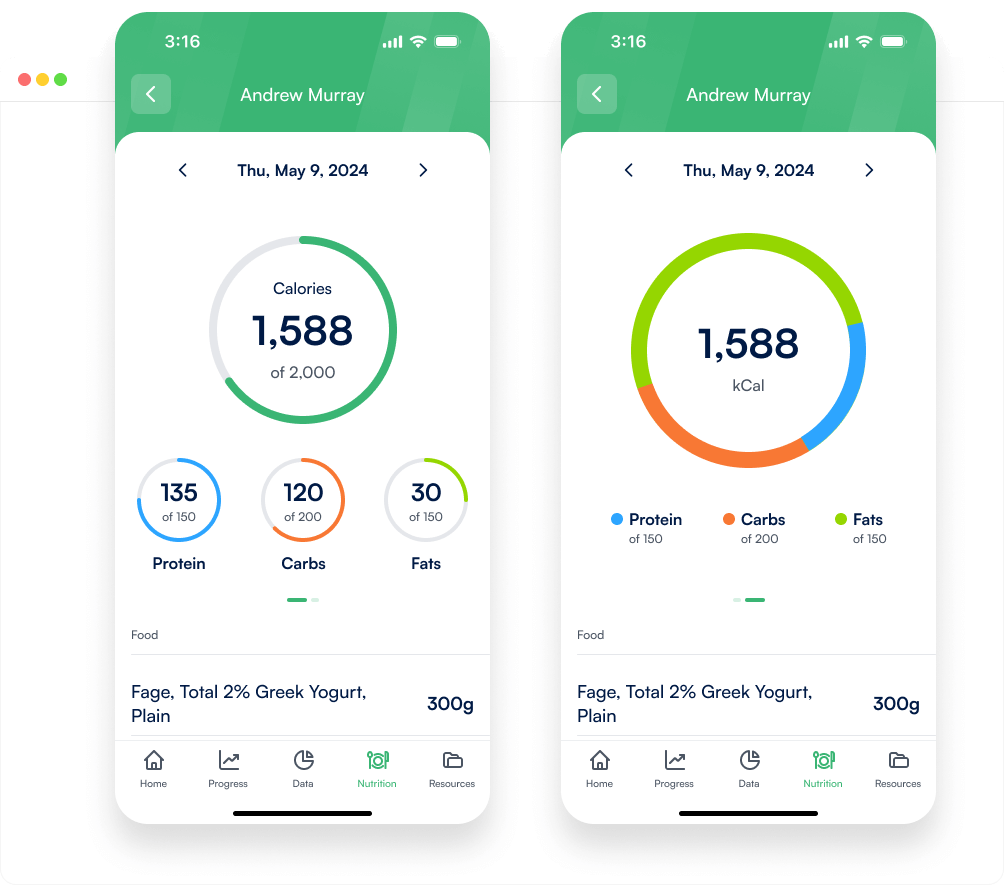
Tools that enhance a nutrition coach's efficiency include nutritional insights, coaching tools, and client progress tracking features, which help transform client eating habits and manage coaching aspects effectively.
How do I market my nutrition coaching services?
Effectively marketing your nutrition coaching services involves utilizing digital platforms, networking with relevant communities, and leveraging client testimonials to showcase your expertise and build a strong online presence.
What are the legal requirements for nutrition coaches?
The legal requirements for nutrition coaches vary by location, but often include proper certification, licensing, and adherence to industry standards and ethical guidelines.
What software features help with nutrition tracking?
The software features that help with nutrition tracking include tools for logging food intake, analyzing nutrient data, setting dietary goals, and generating personalized meal plans to support clients' nutrition objectives.
How can I improve my coaching skills?
Improving your coaching skills involves continuously developing your expertise, enhancing client engagement, and leveraging effective coaching techniques to drive meaningful progress for your clients.
What additional resources support nutrition coaches?
Additional resources that support nutrition coaches include educational materials, client management tools, and peer networking opportunities to enhance coaching effectiveness and client outcomes.
Is ongoing education required for nutrition coaches?
Ongoing education is essential for nutrition coaches to stay current with the latest research, techniques, and industry best practices, enabling them to provide the most effective guidance to their clients.
How to build a loyal client base as a coach?
Building a loyal client base as a coach involves providing exceptional client experience, consistent communication, and customized solutions that address their unique needs and help them achieve their goals.
What are effective strategies for client retention?
Effective strategies for client retention include providing personalized nutrition plans, regular progress tracking, and ongoing support to help clients achieve their goals and maintain long-term healthy eating habits.
Can I specialize in a niche as a nutrition coach?
Yes, nutrition coaches can specialize in a specific niche, such as weight loss, sports nutrition, or plant-based diets, to better serve their target audience and establish expertise.
How to handle difficult clients in coaching?
Handling difficult clients in coaching requires a combination of empathy, clear communication, and setting boundaries. Establish rapport, listen actively, provide constructive feedback, and collaborate to find solutions that address their unique challenges.
What are the best marketing strategies for coaches?
The best marketing strategies for coaches include leveraging online platforms, building a strong social media presence, creating valuable content, and leveraging networking and referrals to attract new clients.
How do I set up my coaching practice?
Setting up your coaching practice involves establishing a business structure, defining your services, and leveraging Coach Catalyst's tools to manage clients, track progress, and deliver personalized nutrition guidance efficiently.
What client feedback is important for coaches?
Client feedback on their progress, challenges, and satisfaction with the coaching process is important for coaches to improve their approach and better support their clients' nutrition goals.