

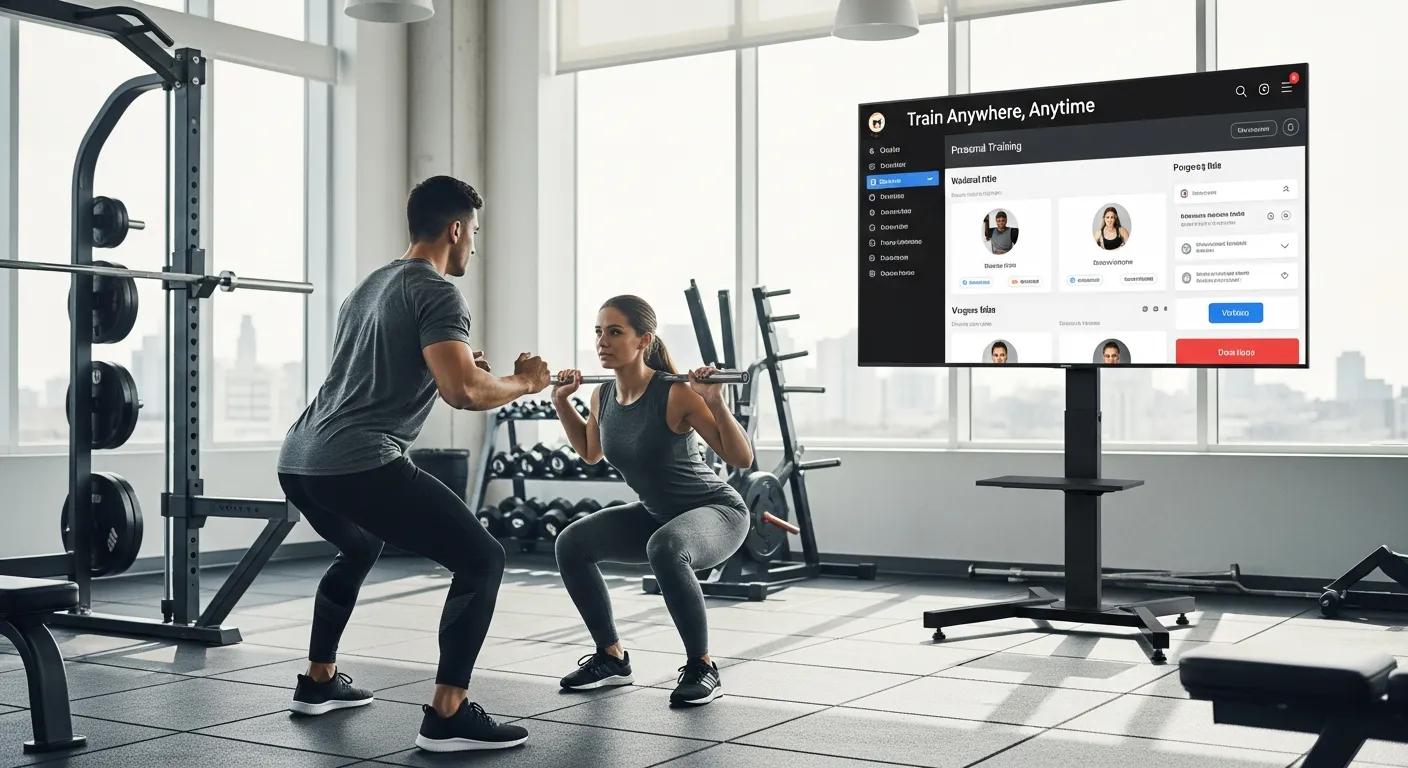
In the evolving landscape of fitness coaching, the choice between online personal training software for solo trainers and multi-coach teams is crucial. This article will explore the key differences, advantages, and features of various platforms, helping you make an informed decision. Understanding these distinctions is essential for optimizing client management and enhancing operational efficiency. Many trainers struggle with the complexities of managing clients and workflows, which can hinder their business growth. This guide will delve into how specific software solutions can address these challenges, focusing on the capabilities of Coach Catalyst, an all-in-one online coaching platform. We will cover the differences in software designed for solo trainers versus multi-coach teams, the unique benefits of Coach Catalyst for each, and the core features that support both coaching styles.
Indeed, the inefficiencies of juggling multiple tools can significantly impede a trainer’s ability to focus on clients, underscoring the need for integrated solutions.
CRM for FitnessStudios: Streamlining Trainer Workflows
When a personal trainer works with the current solution, he has to constantly switch between multiple devices, PDF forms and applications. This makes work tedious and costs a lot of time, which could be spent on the customer. In order to optimize these processes, a CRM should be created that combines all the required functions to manage a lead’s or customer’s information digitally in one tool and on one device. FNH-CRM–Management tool for fitness studios, 2020
What Are the Key Differences Between Solo Trainer and Multi-Coach Team Software?
When evaluating online personal training software, it’s essential to understand the distinct needs of solo trainers compared to multi-coach teams. The primary differences lie in client management features, collaboration tools, and scalability of the software solutions.
How Does Client Management Vary for Solo Trainers and Teams?

Solo trainers typically manage clients individually, focusing on personalized interactions and tailored programs. In contrast, multi-coach teams require centralized client data to ensure all coaches have access to the same information. This centralized approach facilitates better communication and coordination among team members, allowing for a more cohesive client experience. Additionally, reporting needs differ; solo trainers may prioritize detailed individual reports, while teams often need aggregated data to assess overall performance.
What Features Support Collaboration in Multi-Coach Teams?
Collaboration tools are vital for multi-coach teams to function effectively. Features such as shared calendars and scheduling systems enable coaches to coordinate sessions seamlessly. Team communication tools, including messaging platforms and shared notes, enhance collaboration and ensure that all coaches are aligned on client progress. Furthermore, client progress tracking across coaches allows for a unified approach to client management, ensuring that clients receive consistent support regardless of which coach they interact with.
This collaborative environment is crucial, as research indicates that a multi-coach approach can significantly enhance client engagement and drive positive behavioral changes.
Multi-Coach Virtual Health Shops for Behavior Change
This study explores users perceptions of a virtual one stop health shop where the user can talk to multiple health coaches (dietician, exercise and cognition) in the same session and the impact on user’s behaviour change intention to do the recommended behaviours.. Multiple coaches were considered convenient, informative and helpful. Empathic coaches increased intentions to do physical and diet behaviours, whereas the neutral cognitive coach was most effective in encouraging change. A ONE-STOP HEALTH SHOP: EXPLORING DIFFERENT CONVERSATIONAL STYLES FOR BEHAVIOUR CHANGE VIA MULTIPLE DIGITAL COACHES, D Richards, 2025
How Does Coach Catalyst Empower Solo Personal Trainers?
Coach Catalyst offers a range of features specifically designed to empower solo personal trainers. By streamlining client management and enhancing engagement, this platform allows trainers to focus on what they do best: coaching.
Which Time-Saving Automation Tools Benefit Independent Trainers?
One of the standout features of Coach Catalyst is its time-saving automation tools. Automated scheduling simplifies the booking process, while client reminders help trainers stay organized and ensure clients do not miss sessions. Additionally, progress tracking automation allows trainers to monitor client achievements without manual input, freeing up time for more personalized coaching interactions.
How Can Solo Trainers Build Their Brand with Coach Catalyst?
Brand building is crucial for solo trainers looking to establish a strong market presence. Coach Catalyst provides customizable branding options, allowing trainers to present a professional image to clients. Trainers can communicate with clients under their personal brand, enhancing recognition and trust. This professional appearance not only attracts new clients but also fosters loyalty among existing ones.
What Advantages Does Coach Catalyst Offer for Multi-Coach Teams and Gyms?
For multi-coach teams and gyms, Coach Catalyst presents several advantages that enhance operational efficiency and client satisfaction. The platform’s features are tailored to meet the unique demands of larger coaching teams.
How Does Centralized Client Data Improve Team Operations?
Centralized client data management is a game-changer for multi-coach teams. It allows for easier access to client information, which improves communication among coaches. With all team members on the same page, reporting becomes streamlined, enabling teams to analyze performance metrics effectively. This operational efficiency leads to better decision-making and improved client outcomes.
What Tools Enhance Consistent Client Experience Across Coaches?

To ensure a uniform client experience, Coach Catalyst offers tools that standardize communication and resources. Standardized communication templates help maintain a consistent tone and message across all coaches. Shared resources for clients, such as workout plans and nutrition guides, ensure that all clients receive the same high-quality support. Consistent progress tracking across coaches further enhances the client experience, as clients can see their development regardless of which coach they work with.
Which Core Features of Coach Catalyst Support Both Solo and Team Coaching?
Coach Catalyst is designed with features that cater to both solo trainers and multi-coach teams, ensuring that all users can benefit from its capabilities.
How Does the Workout Builder Facilitate Personalized Program Delivery?
The workout builder is a core feature that allows trainers to create customizable workout plans tailored to individual client needs. This tool enables trainers to make client-specific adjustments easily, ensuring that each program aligns with the client’s goals and fitness level. Additionally, the integration of progress tracking within the workout builder allows trainers to monitor client performance and make necessary modifications in real-time.
What Role Do Nutrition and Habit Tracking Play in Client Progress?
Nutrition and habit tracking are essential components of client progress monitoring. By tracking client nutrition habits, trainers can provide personalized dietary recommendations that complement workout programs. Setting habit goals helps clients stay accountable and fosters long-term behavioral changes. Monitoring progress over time allows trainers to adjust strategies as needed, ensuring clients remain on track to achieve their fitness goals.
How Do Integrations and AI Enhance Online Personal Training Software?
Integrations and AI features are becoming increasingly important in the realm of online personal training software. These technologies enhance the functionality and effectiveness of coaching platforms.
What Wearable Technology Integrations Does Coach Catalyst Support?
Coach Catalyst supports various wearable technology integrations, allowing trainers to utilize data from devices like fitness trackers and smartwatches. This compatibility enables trainers to access real-time data on client activity levels, heart rates, and other metrics, providing a comprehensive view of client performance. By leveraging this data, trainers can make informed decisions about program adjustments and client engagement strategies.
How Does Habby AI Personalize Coaching and Automate Tasks?
Habby AI is a tool within Coach Catalyst that personalizes coaching experiences and automates routine tasks. By analyzing client data, Habby AI can suggest tailored workout and nutrition plans, enhancing the personalization of coaching. Additionally, it automates client interactions, such as sending reminders and follow-ups, allowing trainers to focus on more strategic aspects of their business.
Why Choose Coach Catalyst Over Other Online Fitness Business Software?
Choosing the right online fitness business software is crucial for success in the competitive coaching landscape. Coach Catalyst stands out due to its unique value propositions and positive user feedback.
What Proven Results Demonstrate Business Growth and Efficiency?
Users of Coach Catalyst have reported business growth and efficiency improvements. Many trainers have experienced increased profits and time savings, with some reporting several hours saved per week through automation features. High client retention rates further demonstrate the platform’s effectiveness in enhancing client satisfaction and loyalty.
How Does Coach Catalyst Support Professional Branding and Client Engagement?
Coach Catalyst supports professional branding through customizable features that allow trainers to present a cohesive brand image. The platform also offers tools for client communication and engagement strategies, ensuring that trainers can maintain strong relationships with their clients. By fostering a professional appearance and effective communication, Coach Catalyst helps trainers build a loyal client base.
| Feature | Solo Trainers | Multi-Coach Teams |
|---|---|---|
| Client Management | Individual focus | Centralized data access |
| Automation Tools | Scheduling and reminders | Team coordination |
| Branding Options | Customizable | Standardized templates |
| Progress Tracking | Individual reports | Aggregated data analysis |
In conclusion, the choice of online personal training software can significantly impact the success of fitness coaching businesses. By understanding the differences between solutions designed for solo trainers and multi-coach teams, professionals can select the platform that best meets their needs. Coach Catalyst offers a comprehensive suite of features that empower both types of coaches, enhancing client management, engagement, and overall business efficiency.

