


As coaching moves further online, reliable personal training software becomes a coach’s most important tool. The right platform centralizes client management, nutrition planning, and progress tracking so you spend less time on admin and more time delivering results. Below we break down the features that matter most and explain how they help you run cleaner workflows, support clients better, and scale your business without added headaches.
What Are the Key Features of Online Personal Training Software for Coaches?
Good online coaching software bundles the tools coaches need into a single, easy-to-use workspace. Expect client management, nutrition tools, and progress monitoring that all work together—so programs stay consistent and clients stay accountable.
| Feature | Description | Benefit |
|---|---|---|
| Client Management Tools | A single place for client profiles, scheduling, and messaging | Saves time and keeps engagement high |
| Nutrition Tracking | Meal plans, macro tracking, and simple feedback loops | Improves adherence and clarity around food choices |
| Progress Monitoring | Track metrics, photos, and trends over time | Delivers data you can use to personalize coaching |
How Does Client Management Software Streamline Coaching Workflows?
Client management features take the repetitive tasks off your plate. Automated scheduling, templated messages, and progress snapshots free up time so you can focus on coaching. Automated session reminders and follow-ups keep clients consistent and reduce no-shows—meaning steadier progress and higher retention.
Research also highlights the value of built-in coach-client systems for improving in-app communication and task flow.
Implementing Coach-ClientSystems in FitnessApps
This thesis outlines how adding a coach-client system extends an app’s functionality to better support both coaches and their clients.
Implementation of a Coach-Client System in a Mobile Fitness Application, 2025
What Nutrition Coaching Tools Enhance Client Meal Planning and Tracking?
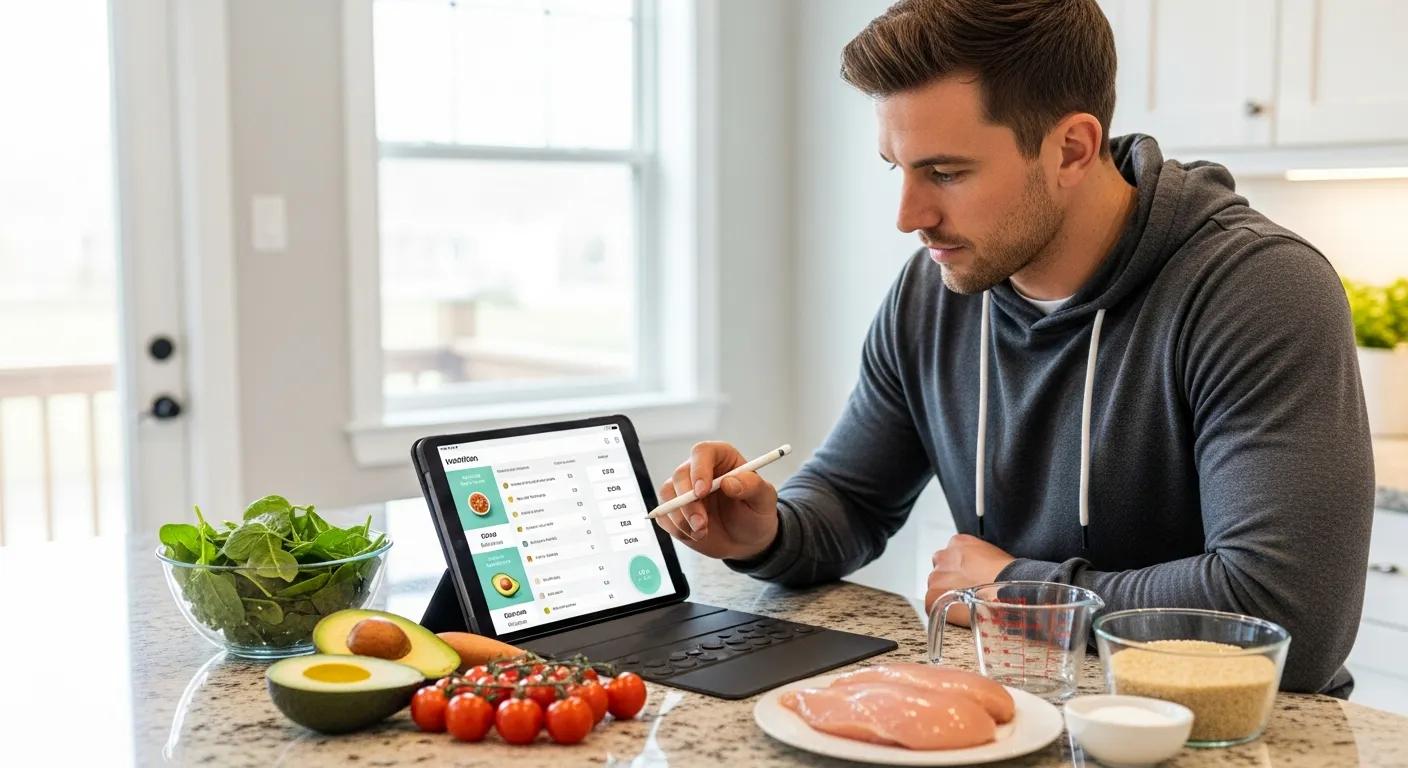
Nutrition tools make healthy habits stick. Macro trackers, simple meal templates, and progress check-ins let you deliver clear, personalized nutrition guidance without overwhelming clients. Built-in education and easy logging help clients learn faster and follow plans more consistently.
How Can Workout Tracking Apps Improve Fitness Program Delivery and Progress Monitoring?
Workout tracking apps give a live view into how clients are performing—so you can adjust plans based on real behavior, not guesswork. When workouts, reps, and weights are logged in real time, clients stay accountable and coaches can make smarter, faster decisions.
What Are the Benefits of Custom Workout Builders and Exercise Libraries?
Custom builders let you assemble programs that match a client’s needs and equipment. A broad exercise library keeps sessions varied and safe, while easy duplication and templating speed up program creation—so you can deliver quality plans at scale.
How Does Metric and Performance Tracking Support Client Accountability?
Setting measurable goals and tracking progress with charts, photos, and test results gives clients visible proof of improvement. That data fosters motivation, makes coaching conversations more actionable, and helps maintain momentum over weeks and months.
In What Ways Does Business Growth and Automation Software Support Fitness Coaches?
Automation and business tools let coaches move from small-scale hustle to reliable, repeatable systems. Automating onboarding, messaging, billing, and reporting reduces busywork so you can add more clients without sacrificing service quality.
How Do Automated Client Journeys and Reporting Tools Save Time?
Automated client journeys handle onboarding and follow-ups, so every client gets the right information at the right time. Reporting tools turn client data into clear insights, helping you spot trends, celebrate wins, and prioritize interventions that drive results.
What Role Does Integrated Payment Processing Play in Scaling Coaching Businesses?
Integrated payments remove friction from billing—clients pay quickly and you get paid reliably. That smoother cash flow and fewer manual tasks let you focus on coaching and growing your offerings, not chasing invoices. Learn more on our pricing page.
Why Are Branded Mobile Apps Important for Enhancing Client Engagement in Online Coaching?
A branded mobile app gives you a polished, consistent space for programs, messaging, and client resources. It keeps everything in one place and reinforces your professional image—so clients feel supported and connected to your coaching.
How Can Custom Branding and Client Portals Improve Professional Image?
Custom branding makes your app feel like an extension of your business. Client portals provide a private hub for programs, messages, and progress—making interactions smoother and building trust over time.
What Features Drive Client Motivation Through Mobile Notifications and Education?
Push notifications, scheduled educational content, and motivational nudges keep clients moving between sessions. Small, timely reminders and bite-sized learning moments are often the difference between starting a plan and sticking with it.
How Does AI-Powered Coaching Transform Online Personal Training?

AI tools augment your coaching by turning client data into usable recommendations. They surface patterns, suggest program tweaks, and automate routine feedback—so you can deliver more personalized plans without adding hours to your week.
What Automated Support and Personalized Feedback Does AI Provide?
AI can review logged workouts, nutrition entries, and performance trends to suggest adjustments and offer timely feedback. That frees you to focus on strategy, motivation, and the human side of coaching while the system handles data-driven tasks.
How Can AI Enhance Program Customization and Client Accountability?
By analyzing individual metrics, AI helps tailor progressions, recommend session intensity, and highlight adherence gaps. Those insights keep programs aligned with real progress and give clients a clearer path to their goals.
AI’s ability to combine client inputs into tailored diet and workout plans represents a meaningful step forward in delivering individualized coaching at scale.
AI for Personalized Diet& WorkoutPlans
Inputs like weight, height, age, and gender feed models that calculate BMI and help generate customized diet and workout recommendations.
FitMate AI-Powered Fitness Companion: Revolutionizing Health and Wellness through Technology, M Patidar, 2024
What Integrations with Wearable Technology and Nutrition Apps Enhance Coaching Software?
Connecting wearables and nutrition apps gives you a fuller picture of client behavior—daily steps, sleep, logged meals, and training load. That context helps you make smarter programming choices and spot opportunities for better recovery or nutrition support.
How Do Platforms Like MyFitnessPal and Fitbit Sync with Personal Training Software?
Platforms like MyFitnessPal and Fitbit can feed activity and nutrition data into coaching software so coaches see real habits, not just weekly check-ins. Syncing this data makes it easier to recommend changes and track progress holistically.
Research supports the value of a unified dashboard where multiple devices and apps feed a single view for coaches.
Unified FitnessDataDashboards for Trainers
One example is a platform that synchronizes multiple smartwatches or fitness trackers into a single dashboard, allowing users to share data with trainers, doctors, or friends.
Fitness data platform, 2023
What Benefits Do Coaches and Clients Gain from Data Integration?
Integrated data improves coaching accuracy and saves time. Coaches get richer client profiles to inform programming; clients get clearer, more actionable feedback that ties daily habits to their results.
Frequently Asked Questions
What types of clients can benefit from online personal training software?
Anyone from a gym newcomer to an experienced athlete can use online coaching. The platform adapts to goals—weight loss, strength, performance—and supports clients with dietary needs or those wanting regular nutrition guidance. Coaches can tailor programs and check-ins to each individual.
How does online personal training software ensure client privacy and data security?
Reputable platforms use encryption, secure servers, and compliance with data-protection standards (like GDPR) to protect personal data. Many also let clients control visibility and sharing settings so sensitive information stays private.
Can online personal training software be used for group coaching sessions?
Yes. Many systems support group messaging, shared workouts, and group progress tracking—making it easy to run challenges, group programs, or community-based coaching with the same level of oversight as one-on-one clients.
What are the costs associated with using online personal training software?
Pricing varies by features, client capacity, and billing model. Options range from entry-level plans to full-featured subscriptions. Most providers offer tiered plans and free trials so you can test fit before committing.
How can coaches measure the effectiveness of their online training programs?
Use progress metrics (strength, body measurements, photos), retention and engagement rates, and client feedback. Built-in analytics and regular assessments make it easy to spot what’s working and where to refine programs.
What support resources are available for coaches using online personal training software?
Platforms typically offer tutorials, knowledge bases, customer support, and community forums. Some provide live training, webinars, or onboarding help so you and your team can use features confidently from day one.
Conclusion
The right online personal training software simplifies client management, brings clarity to nutrition coaching, and tracks progress in ways that let you deliver better results. With automation and integrated data, you can scale responsibly—serving more clients while keeping coaching personal and effective. Explore how our platform can streamline your operations and amplify client outcomes today.

