

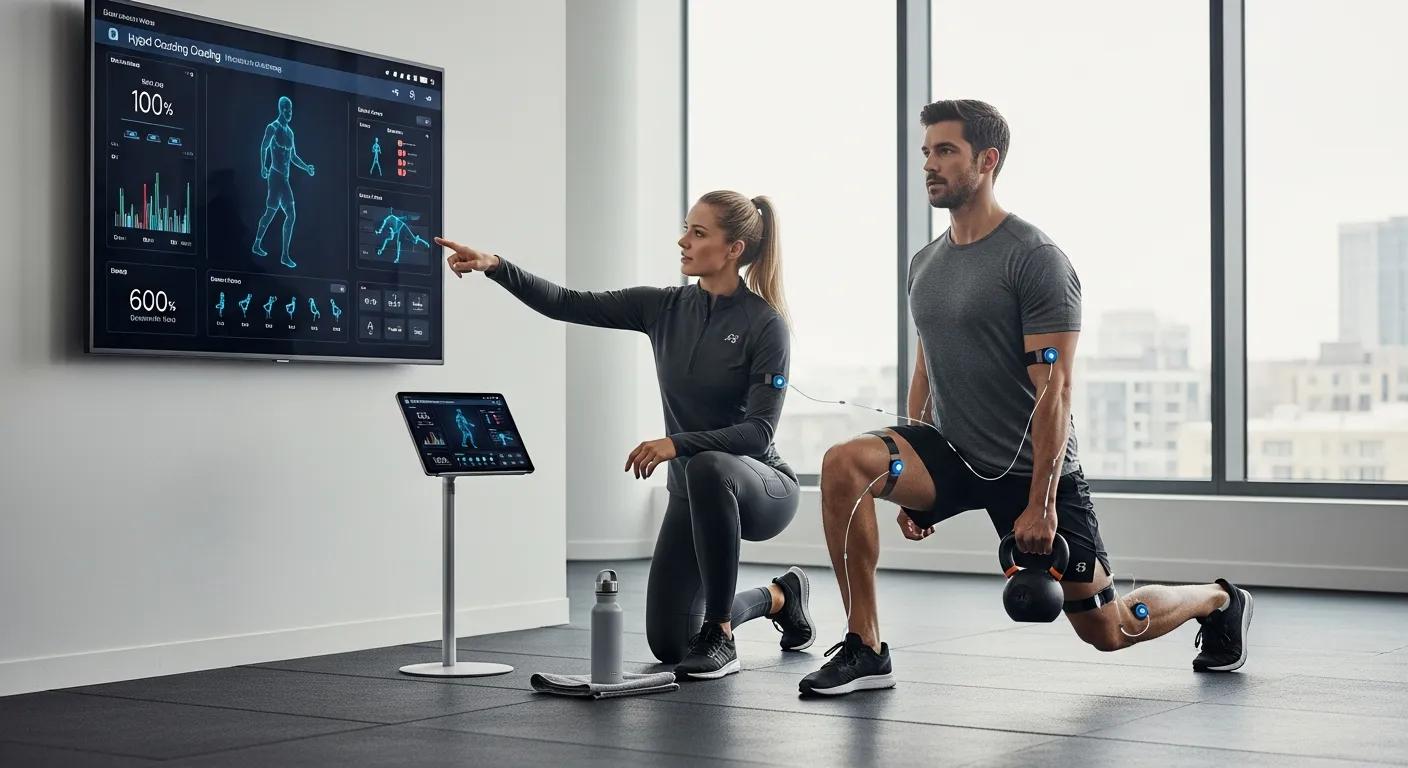
In the evolving landscape of fitness and coaching, hybrid coaching models have emerged as a powerful solution for athletes seeking personalized training experiences. This article explores how online personal training software enhances these hybrid models, providing coaches and athletes with the tools they need to succeed. Readers will learn about the definition of hybrid personal training, its essential features, and the benefits of integrating technology into coaching practices. As athletes face unique challenges in their training, hybrid coaching offers a flexible approach that combines online and in-person training methods. This article will delve into the key aspects of hybrid coaching, the role of software like Coach Catalyst, and the future of fitness coaching in a technology-driven world.
What Is Hybrid Personal Training and Why Is It Essential for Athletes?
Hybrid personal training is a coaching model that combines online and in-person training methods to provide a comprehensive fitness experience. This approach allows athletes to benefit from the flexibility of online coaching while still receiving the personal touch of face-to-face interactions. By integrating both methods, hybrid coaching enhances the overall training experience, making it more adaptable to individual needs and schedules.
Research suggests that athletes who engage in hybrid training models often experience improved performance and satisfaction. This model is particularly essential for modern athletes who require tailored training programs that can be adjusted based on their progress and specific goals. The combination of online resources and in-person guidance creates a dynamic training environment that fosters growth and development.
Further research underscores the effectiveness of hybrid approaches in digital health interventions, highlighting their impact on engagement and lifestyle outcomes.
HybridHealthCoaching & Digital Interventions
ABSTRACT: Systematic review exploring human, AI, and hybrid health coaching in digital health interventions: trends, engagement, and lifestyle outcomes Systematic review exploring human, AI, and hybrid health coaching in digital health interventions: trends, engagement, and lifestyle outcomes, C Loughnane, 2025
How Does Hybrid Coaching Combine Online and In-Person Training?
Hybrid coaching effectively merges online and in-person training by utilizing technology to facilitate communication and program delivery. Coaches can design personalized training plans that athletes can access through online platforms, allowing for flexibility in scheduling and location. This model enables athletes to receive timely feedback and support, whether they are training at home or in a gym.
For example, a coach might provide an athlete with a workout plan via an app, while also scheduling regular in-person sessions to assess progress and make necessary adjustments. This combination ensures that athletes receive comprehensive support, maximizing their potential for success.
Which Key Features Should You Look for in Hybrid Personal Training Software?

When selecting hybrid personal training software, several key features are essential to ensure effective coaching and client management. These features enhance the coaching experience and streamline communication between coaches and athletes.
- Client Management Capabilities: Effective software should offer tools for tracking client progress, managing schedules, and facilitating communication. This ensures that coaches can provide personalized support tailored to each athlete’s needs.
- Program Design Features: The ability to create and modify training programs easily is crucial. Coaches should be able to design workouts that can be accessed online, allowing athletes to follow their plans regardless of location.
- Tracking and Communication Tools: Integrated tracking features for metrics such as workouts, nutrition, and progress are vital. Additionally, communication tools like messaging and video calls enhance the coach-client relationship.
How Do Client Management and Program Design Enhance Hybrid Coaching?
Client management and program design features significantly enhance hybrid coaching by providing a structured approach to training. With robust client management tools, coaches can monitor their athletes’ progress and adjust programs as needed. This adaptability is crucial for addressing individual challenges and ensuring that athletes remain engaged and motivated.
Moreover, effective program design allows coaches to create tailored workouts that align with athletes’ goals. By utilizing software that supports these features, coaches can deliver a seamless training experience that combines the best of both online and in-person coaching.
How Does Coach Catalyst Empower Coaches and Athletes in Hybrid Models?
Coach Catalyst is an all-in-one online coaching platform designed to support fitness and wellness professionals in delivering effective hybrid coaching. The platform offers a range of features that empower both coaches and athletes, enhancing the overall training experience.
One of the standout features of Coach Catalyst is its workout builder, which allows coaches to create customized training programs that athletes can access online. This feature ensures that athletes have a clear understanding of their workouts, promoting accountability and adherence to their training plans.
What Are the Benefits of Coach Catalyst’s Workout Builder and Habit Tracking?
The workout builder in Coach Catalyst provides several benefits for both coaches and athletes. It allows for easy customization of training programs, ensuring that workouts are tailored to individual needs. Additionally, the habit tracking feature helps athletes monitor their daily activities and progress, fostering a sense of accountability.
By utilizing these tools, coaches can enhance their athletes’ training experiences, leading to improved performance and satisfaction. The ability to track habits and workouts in one platform simplifies the coaching process, making it easier for both parties to stay aligned on goals.
How Does Automated Client Journeys Improve Coaching Efficiency?
Automated client journeys in Coach Catalyst streamline the coaching process by providing a structured approach to client engagement. This feature allows coaches to set up automated messages and reminders, ensuring that athletes receive timely support and motivation throughout their training.
For instance, coaches can automate check-ins, progress updates, and motivational messages, freeing up time to focus on personalized coaching. This efficiency not only enhances the coaching experience but also improves client retention, as athletes feel supported and engaged in their training journey.
How Can Coaches Implement Hybrid Training Using Coach Catalyst?
Implementing hybrid training using Coach Catalyst involves a systematic approach that ensures both coaches and athletes are aligned on goals and expectations. The platform provides the necessary tools to facilitate this process effectively.
What Are the Step-by-Step Onboarding Processes for Hybrid Coaching?
- Initial Assessment: Coaches conduct an initial assessment to understand the athlete’s goals, fitness level, and preferences.
- Program Design: Based on the assessment, coaches create a customized training program that incorporates both online and in-person elements.
- Platform Familiarization: Athletes are guided through the Coach Catalyst platform, ensuring they understand how to access their programs and communicate with their coach.
- Ongoing Support: Regular check-ins and updates are scheduled to monitor progress and make necessary adjustments to the training plan.
Which Best Practices Maximize Athletic Performance with Hybrid Software?
- Regular Communication: Maintaining open lines of communication between coaches and athletes is crucial for addressing concerns and providing support.
- Data-Driven Adjustments: Utilizing data from tracking tools to make informed adjustments to training programs can enhance performance outcomes.
- Goal Setting: Establishing clear, achievable goals helps athletes stay motivated and focused on their training journey.
What Are the Benefits of Hybrid Coaching for Athletic Performance and Client Retention?
Hybrid coaching offers numerous benefits for athletic performance and client retention. By combining online and in-person training, athletes receive a comprehensive support system that enhances their overall experience.
One of the primary benefits of hybrid coaching is the ability to provide personalized training that adapts to individual needs. This flexibility allows athletes to train in a way that suits their lifestyles, leading to increased satisfaction and commitment to their fitness goals.
How Does Hybrid Coaching Improve Injury Prevention and Mental Well-Being?
Hybrid coaching can significantly improve injury prevention and mental well-being by promoting a balanced approach to training. Coaches can design programs that incorporate recovery strategies and mental health support, ensuring that athletes are not only physically prepared but also mentally resilient.
Some studies indicate that athletes who engage in hybrid coaching models report improved stress management and mental well-being, contributing to better overall performance. By addressing both physical and mental aspects of training, hybrid coaching fosters a holistic approach to athletic development.
Why Does Hybrid Coaching Enhance Client Engagement and Scalability?
Hybrid coaching enhances client engagement by providing a more personalized and flexible training experience. Athletes are more likely to stay committed to their programs when they feel supported and understood by their coaches.
Additionally, hybrid coaching models allow for scalability, as coaches can manage multiple clients effectively through online platforms. This scalability enables coaches to reach a broader audience while maintaining a high level of personalized support.
What Is the Future of Hybrid Fitness Coaching with AI and Technology?

The future of hybrid fitness coaching is poised for transformation with the integration of AI and technology. As advancements in fitness technology continue to evolve, coaches will have access to more sophisticated tools that enhance the coaching experience.
How Are AI and Machine Learning Transforming Hybrid Coaching Platforms?
AI and machine learning are revolutionizing hybrid coaching platforms by providing data-driven insights that inform training decisions. These technologies can analyze athlete performance data, identify trends, and suggest personalized adjustments to training programs.
For example, AI algorithms can predict potential injury risks based on an athlete’s training history, allowing coaches to implement preventive measures proactively. This level of insight enhances the effectiveness of hybrid coaching, ensuring that athletes receive the best possible support.
Indeed, the application of machine learning in sports remote coaching platforms is proving instrumental in optimizing support and reducing the workload for coaches.
AI & ML for Sports Remote Coaching Platforms
Offering timely support to users in eCoaching systems is a crucial factor to keep them engaged. However, coaches usually follow many users, so it is hard to prioritize those they should interact with first. Timeliness is especially needed when health implications might be the consequence of a lack of support. Thanks to the data provided by U4FIT (an eCoaching platform for runners we will describe in Chapter 1) and the rise of high-performance computing, Artificial Intelligence can turn such challenges into unparalleled opportunities. One of its sub-fields, namely Machine Learning, enables machines to receive data and learn for themselves without being programmed with rules. Bringing this intelligent support to the coaching domain has many advantages, such as reducing coaches’ workload and fostering sportspeople to keep their exercise routine. Machine learning models for sports remote coaching platforms, W Iguider, 2022
What Industry Trends Will Shape Hybrid Coaching Software?
- Increased Personalization: As technology advances, coaches will be able to offer even more personalized training experiences tailored to individual athlete needs.
- Integration of Wearable Technology: The use of wearable devices will provide real-time data on athlete performance, enabling coaches to make informed decisions quickly.
- Focus on Mental Health: The growing awareness of mental health in sports will lead to the incorporation of mental wellness strategies into hybrid coaching programs.
| Feature | Description | Benefit |
|---|---|---|
| Client Management Tools | Tools for tracking progress and managing schedules | Streamlined communication and personalized support |
| Program Design Features | Ability to create and modify training programs | Tailored workouts that meet individual needs |
| Tracking and Communication Tools | Integrated metrics tracking and messaging | Enhanced engagement and accountability |
The integration of these features in hybrid coaching software significantly enhances the coaching experience, providing both coaches and athletes with the tools they need to succeed.
Hybrid coaching represents a significant advancement in the fitness industry, offering athletes a flexible and personalized approach to training. By leveraging online personal training software, coaches can provide comprehensive support that enhances athletic performance and client retention. As technology continues to evolve, the future of hybrid coaching looks promising, with AI and innovative tools paving the way for even greater success in the world of fitness.

