

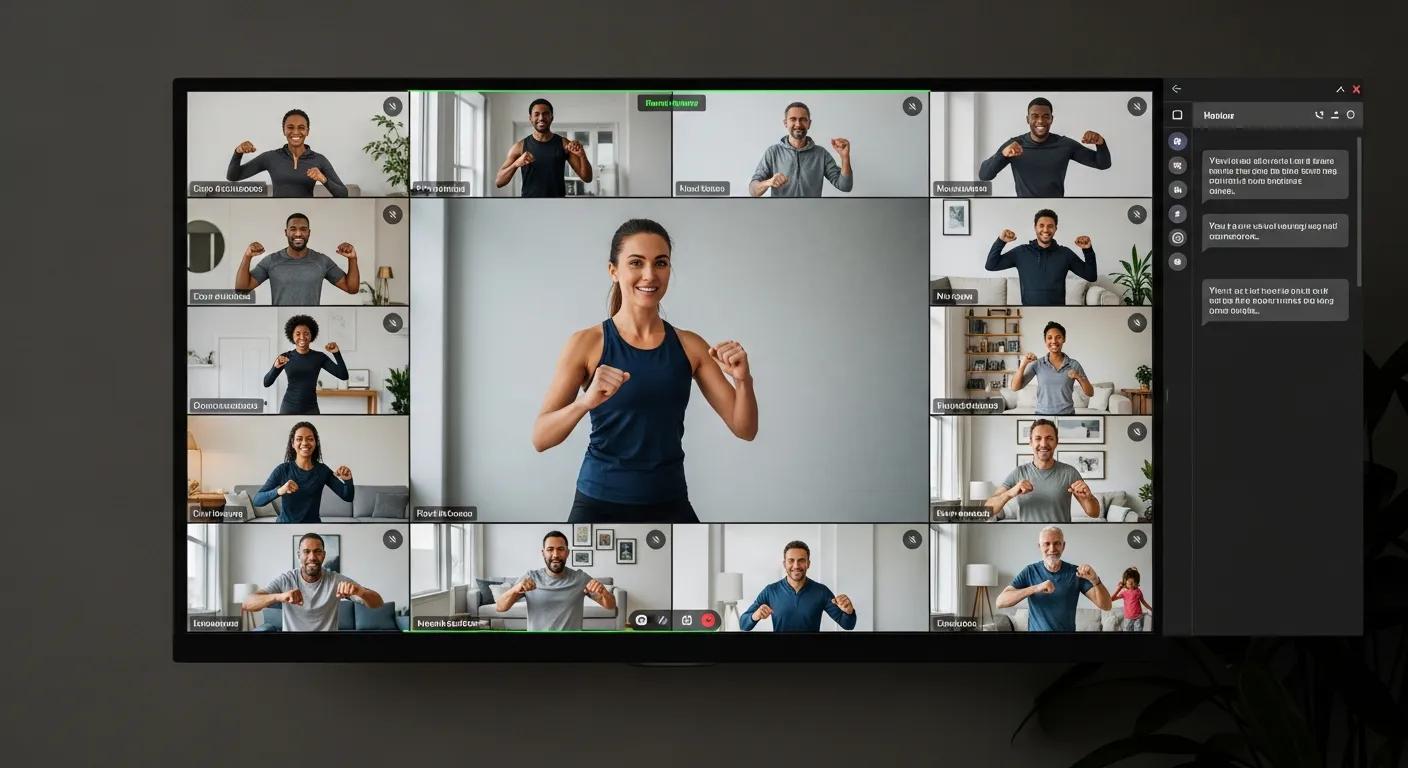
Online personal training software has reshaped how coaches run group programs. The right platform helps you run smooth, engaging classes, keep clients accountable, and cut the busywork that eats your time. Below we walk through the core features these tools offer, the real benefits for coaches and clients, and practical best practices — from scheduling and delivery to nutrition and scaling your business.
What Are the Key Features of Online Coaching Platforms for Group Training?
Platforms built for group training bundle the tools trainers need to run multiple clients and live classes without friction. Expect multi-client management, virtual class tools, and built-in communication features that make it easy to program, deliver, and support groups at scale.
How Does Multi-client Management Streamline Group Fitness Programs?
Multi-client management centralizes client data, programs, and progress so you can manage many people without losing personalization. You can assign individualized workouts inside a group plan, track metrics across members, and automate admin tasks — freeing you to coach more and admin less. The result: better client experiences and the ability to grow your roster without burning out.
What Virtual Personal Training Tools Support Effective Group Sessions?
Effective group sessions combine live video, structured programming, and engagement features. Video conferencing lets you cue form and provide live corrections. Workout and habit trackers show progress between sessions. And interactive tools — chats, polls, leaderboards — keep groups connected and motivated. Together these elements make online classes feel intentional, not generic.
How Does Online Personal Training Software Improve Client Engagement in Group Settings?
Engagement is the difference between one-off attendance and long-term results. Software brings structure and timely touchpoints so clients feel seen, supported, and challenged — even in larger groups.
Which Communication Features Enhance Trainer-Client Interaction?

Messaging, in-app feedback, and progress dashboards keep communication direct and personal. Use short, targeted check-ins, share video form cues, and celebrate milestones inside the platform — small interactions that build trust and keep clients coming back.
How Does Automated Program Delivery Boost Client Retention?
Automation makes consistency simple. Scheduled workouts, habit prompts, and tailored nudges ensure clients get the right plan at the right time. When delivery is predictable and personalized, clients stay engaged longer and your retention improves — without you needing to micromanage every message.
That steady, automated support is at the heart of digital coaching: it delivers guidance and encouragement at scale while preserving personalization.
Digital Coaching: Engaging & Motivational Fitness Solutions
Digital coaching brings engagement and motivation into sport and wellness technology. Digital coaches deliver feedback and continuously updated guidance, often without direct human input, to keep clients on track and progressing. Can my personal trainer be digital? Experiences of digital coaching supporting physical activity and exercise, E Kettunen, 2022
What Are Best Practices for Scheduling and Delivering Virtual Group Training Classes?
Good scheduling and smooth delivery start before the class begins. Use data, clear communication, and reliable tools to reduce friction and make every session feel polished.
How to Schedule Virtual Fitness Classes Effectively Using Software?
Let client availability guide your calendar, then offer options: recurring blocks, different times, and class types for varied skill levels. Automate confirmations and reminders so no one misses a session, and use an integrated booking flow to remove signup friction.
What Tools Facilitate Seamless Virtual Class Delivery?
Pick a video platform that supports interaction — screen sharing, breakout rooms, and low-latency audio — and pair it with an easy-to-navigate class page. Clear pre-class instructions, warm-up cues, and a simple tech checklist for participants cut down on interruptions and make classes feel professional.
How Is Nutrition Coaching Integrated Within Group Training Programs?
Nutrition and training work hand-in-hand. When your platform supports both, clients get clearer, faster results — and you can offer a truly rounded program.
What Features Support Group Nutrition Program Management?

Nutrition features let you assign meal plans, log intake, and give targeted feedback at scale. Track compliance, flag trends, and deliver group- or individualized guidance so diet supports training goals without adding manual workload.
How Does Combining Fitness and Nutrition Enhance Client Outcomes?
When fitness and nutrition are aligned, clients see faster progress and form sustainable habits. Offering both through the same platform keeps recommendations consistent and makes accountability straightforward — a big win for results and client satisfaction.
How Can Coaches Scale Their Fitness Business Using Online Training Software?
Scaling requires systems that replicate your coaching quality across more clients. The right software automates repeatable tasks while preserving the personal touches that make your service valuable.
What Software Features Enable Scalable Group Training Programs?
Look for automation (onboarding, reminders, program delivery), centralized client profiles, and template-based programming. Those features reduce manual work, letting you deliver consistent, high-quality coaching to bigger groups.
How Do Analytics and Progress Tracking Support Business Growth?
Analytics reveal what’s working: attendance patterns, program adherence, and outcome trends. Use that data to refine offerings, price smarter, and identify opportunities to upsell or expand your class roster with confidence.
What Pricing Options Are Available for Online Personal Training Software?
Pricing varies by feature set and scale. Most vendors offer tiered plans so you can start small and add features as your business grows.
How Do Tiered Plans Accommodate Different Coaching Needs?
Tiered plans match where you are: basic plans cover essential tools for new coaches, while higher tiers add automation, advanced reporting, and client limits suitable for established studios or online brands. Pick the level that fits your current workload and growth plan.
Where Can Trainers Find Detailed Pricing and Demo Information?
Find full pricing and demo options on the provider’s site. Many platforms offer trials or demos so you can test features with real clients before committing.
| Feature | Description | Benefit |
|---|---|---|
| Multi-client Management | Centralize clients, programs, and progress in one dashboard | Saves time and keeps personalization at scale |
| Virtual Class Management | Tools for scheduling and running live sessions | Improves engagement and delivers seamless classes |
| Automated Program Delivery | Scheduled workouts, reminders, and nudges | Boosts consistency, accountability, and retention |
This snapshot shows the core capabilities that make group training scalable and effective — the building blocks trainers use to grow their business without sacrificing client results.
To see how Coach Catalyst can simplify your group programming and client delivery, visit their site for examples and demos.
Online personal training software is changing how coaches manage group programs. With the right tools — from multi-client management to nutrition integration and automated delivery — you can run more effective sessions, keep clients engaged, and scale sustainably. Embracing these solutions helps you focus on coaching while the platform handles the rest.
Frequently Asked Questions
What are the benefits of using online personal training software for group training?
It centralizes programming, automates routine tasks, and gives clients clear progress tracking — all of which increase engagement and free you to coach more people. Built-in communication and nutrition tools also help maintain motivation and improve outcomes.
How can trainers ensure client accountability in virtual group training?
Use automated program delivery, scheduled check-ins, and in-app tracking. Add group challenges or leaderboards to build community accountability, and send short, timely messages to re-engage anyone who slips off pace.
What role does technology play in enhancing the group training experience?
Technology enables consistent delivery, real-time feedback, and measurable progress. It makes communication easier, supports interactive sessions, and provides the data you need to optimize programs and demonstrate results.
How can trainers effectively market their online group training programs?
Share client wins, short class clips, and clear program outcomes on social media and email. Offer a trial or sample class, showcase testimonials, and lean on referral incentives to grow organically.
What are some common challenges trainers face with online group training?
Keeping engagement high, managing technical hiccups, and maintaining personalized communication at scale are common issues. Address them with reliable tools, clear onboarding, and small-group touchpoints to preserve quality.
How can trainers integrate feedback into their group training programs?
Collect quick post-class surveys, use in-app feedback tools, and run periodic polls to spot trends. Then iterate on programming and communication based on what clients actually say and how they perform.
Conclusion
Online training platforms give coaches the systems needed to run consistent, engaging, and scalable group programs. With features like centralized client management and automated delivery, you can deliver personalized coaching at a larger scale while cutting admin time. If you’re ready to elevate your group offerings and grow without sacrificing quality, explore our platform and see how it fits your workflow.

