

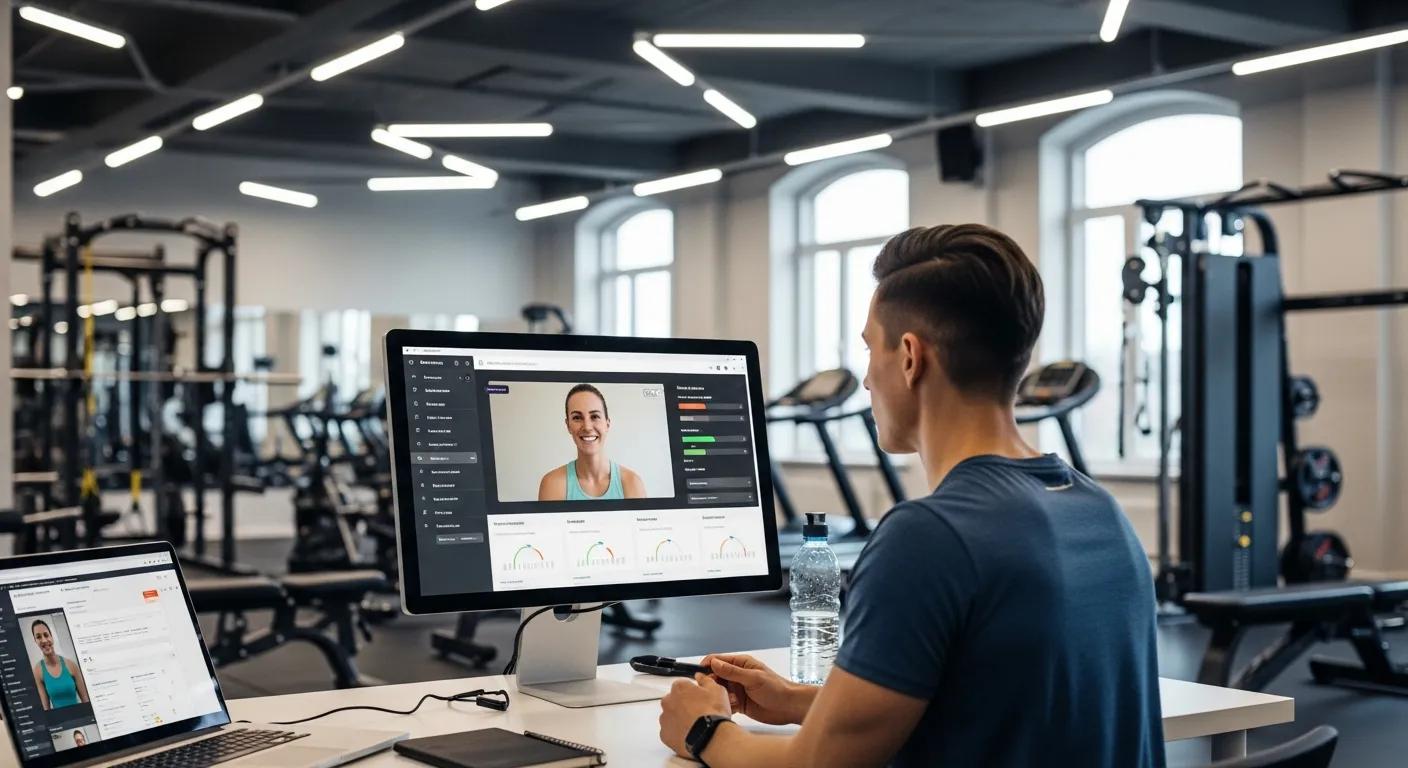
As coaching moves online, modern online personal training software has become a go-to for trainers who want clearer progress, stronger client engagement, and less busywork. This guide shows practical ways trainers can use these platforms to track goals, keep clients accountable, and deliver more personalized programs. With the right tools you’ll spend less time on admin and more time coaching — and we’ll point out where Coach Catalyst fits into that workflow.
What Are the Key Benefits of Using Online Personal Training Software for Goal Tracking?
Online personal training software brings clarity and consistency to coaching. These platforms improve client engagement, make progress tracking more accurate, and cut down on repetitive admin. When technology handles routine tasks, trainers can focus on program design, coaching conversations, and helping clients get results.
How Does Client Progress Tracking Improve Training Outcomes?
Tracking progress keeps clients honest and motivated. When progress is visible and measurable, clients are likelier to stick with the plan and push through plateaus. That combination of accountability and clarity helps more clients reach their goals — and gives you the data to adjust programs when progress stalls.
Why Is Personalized Fitness Plan Delivery Essential for Client Success?
Personalized plans meet each client where they are — not where most people start. Tailored programs boost satisfaction and retention because clients see the plan is built around their needs. Trainers who use case studies and data to demonstrate success from customized plans tend to win more trust and better outcomes.
Research on technology-supported care reinforces that tailoring coaching to individual needs improves long-term results.
Tailoring Real-Time FitnessCoaching for Sustainable Behavioral Change
Technology-enabled healthcare tools that increase a person’s confidence to act are promising for reducing system burden. Advances in sensors and smartphones now allow continuous monitoring and coaching during daily life. Designing these systems for long-term use puts usability, acceptance, and compliance front and center. Customizing the system’s behavior to each person’s context — tailoring — is a growing focus for improving sustained behavioral change. Tailoring real-time physical activity coaching systems: a literature survey and model, H op den Akker, 2014
Which Features Should Trainers Look for in Client Progress Tracking Tools?

Pick tools that make tracking simple and actionable. Priorities include real-time data capture, an intuitive interface, and smooth integrations with other health apps. Those features let you spot trends, update programs quickly, and keep clients focused on measurable wins.
What Role Do Real-Time Progress Monitoring and Data-Driven Insights Play?
Real-time monitoring lets you respond fast — tweak a program when a client is struggling or celebrate a milestone the moment it happens. Data-driven insights give you a clearer view of what’s working, so your coaching decisions are based on trends, not guesses.
Emerging tech like AI-powered feedback can make mobile coaching apps even more effective by delivering timely, personalized cues.
Real-Time AI Feedback in Mobile ExerciseCoaching
Mobile exercise apps are widely used in healthcare. One study tested a machine learning motion-detecting coaching app against standard video-based exercise to see if real-time feedback improves quality of life and reduces low back pain. The findings point to the added value of instant, machine-driven guidance during exercise. Real-time exercise feedback through a convolutional neural network: a machine learning-based motion-detecting mobile exercise coaching application, J Park, 2022
How Do Communication and Client Engagement Tools Enhance Coaching?
Good communication tools keep clients connected between sessions. Built-in messaging, video check-ins, and shareable progress updates make follow-ups effortless and help you keep clients motivated. Regular touchpoints — not just great workouts — drive consistency and results.
How Can Trainers Create and Manage Personalized Fitness Plans Digitally?

Digital tools streamline plan creation and versioning. You can assemble workouts from templates, tailor progressions, and push updates to clients instantly — so plans stay relevant to each client’s current fitness and schedule.
What Are Best Practices for Designing Customized Workout Programs Online?
Start with a clear assessment, check in frequently, and update the plan based on actual progress. Invite client feedback, set short-term milestones, and keep instructions simple and trackable. These habits make online programs feel personal and practical.
How Does Integration with Nutrition and Lifestyle Coaching Improve Results?
When workouts align with nutrition and lifestyle guidance, results compound. Holistic plans account for sleep, stress, and diet alongside training — which usually means faster, more sustainable progress and higher client satisfaction.
How Does Online Personal Training Software Help Scale Coaching Businesses?
The right platform reduces repetitive admin and streamlines client workflows, freeing up time to take on more clients or deepen service for existing ones. That operational efficiency is how many trainers grow without losing the quality of their coaching.
What Business Growth Features Support Client Management and Retention?
Features that support growth include engagement tracking, templated follow-ups, and automated reminders. These tools help you maintain consistent outreach and give each client a feeling of being supported — a key driver of retention.
How Can Automation and Analytics Drive Coaching Efficiency?
Automation trims manual tasks; analytics show where to focus your coaching energy. Together they save time and sharpen your decisions, so you can scale services while keeping outcomes high.
What Are Real-Life Success Stories Demonstrating Effective Goal Tracking?
Case studies and client stories show how tracking and personalization translate to results. Trainers using the right systems often report clearer client progress, better retention, and measurable business growth.
How Have Coaches Improved Client Outcomes Using Software Solutions?
Coaches report faster goal attainment and stronger adherence when they combine structured plans with regular check-ins and visible progress metrics. Those improvements translate into better reviews and more referrals.
What Measurable Business Benefits Have Trainers Experienced?
Trainers using online platforms often see revenue increases and a wider client base. Streamlined ops and stronger client engagement let them serve more people without dropping service quality.
What Common Questions Do Trainers Have About Using Online Training Software?
Trainers exploring online tools usually ask the same practical questions: How does it track progress? What features matter? Is it worth the switch? Answering those questions helps demystify the tech and speeds adoption.
How Does Online Personal Training Software Track Client Progress?
These platforms track progress through workout entries, regular assessments, client feedback, and integrated device data. That combination creates a timeline of progress you can review and act on.
What Features Should a Personal Training App Include for Goal Tracking?
Look for a clean interface, flexible tracking options, and integrations with popular health apps. Those features make goal setting, monitoring, and reporting straightforward for both trainer and client.
To meet the people behind Coach Catalyst and learn about our team, visit our team page.
Curious about pricing and plans? Explore Coach Catalyst pricing on our site to find the right fit.
Have a question or want to talk with our team? Reach out via our contact page.
Frequently Asked Questions
What types of clients benefit most from online personal training software?
Online personal training software suits anyone who needs flexible scheduling, clear progress tracking, or data-driven coaching — from busy professionals to goal-focused athletes. Clients who value structure, accountability, and measurable results will typically get the most from these platforms.
How can trainers ensure client engagement through online platforms?
Keep engagement high with frequent touchpoints: scheduled check-ins, personalized feedback, and short challenges or milestones. Use messaging, quick video updates, and visible progress reports to keep clients motivated and involved.
What are the potential challenges of using online personal training software?
Common hurdles include client tech resistance, spotty internet, and data privacy concerns. Address these by offering simple onboarding, clear privacy practices, and fallback options for low-bandwidth situations.
How can trainers measure the effectiveness of their online coaching?
Track KPIs like retention, goal completion rates, workout adherence, and client satisfaction. Combine quantitative data with regular qualitative check-ins to understand outcomes and improve your approach.
What role does client feedback play in improving online training programs?
Client feedback is essential. Regularly ask for input on program difficulty, variety, and support levels so you can refine workouts and communication. Acting on feedback builds trust and leads to better results.
Can online personal training software be used for group training sessions?
Yes — many platforms support group sessions with video, group chat, and shared progress tracking. Group programs build community and accountability while still allowing for individual modifications when needed.
Conclusion
Using online personal training software helps trainers deliver clearer, more personalized coaching while cutting back on admin. With tools for real-time monitoring, tailored plans, and automated workflows, you can boost client accountability, improve outcomes, and grow your business. Explore how Coach Catalyst can support your coaching practice and make goal tracking simpler and more effective.

