

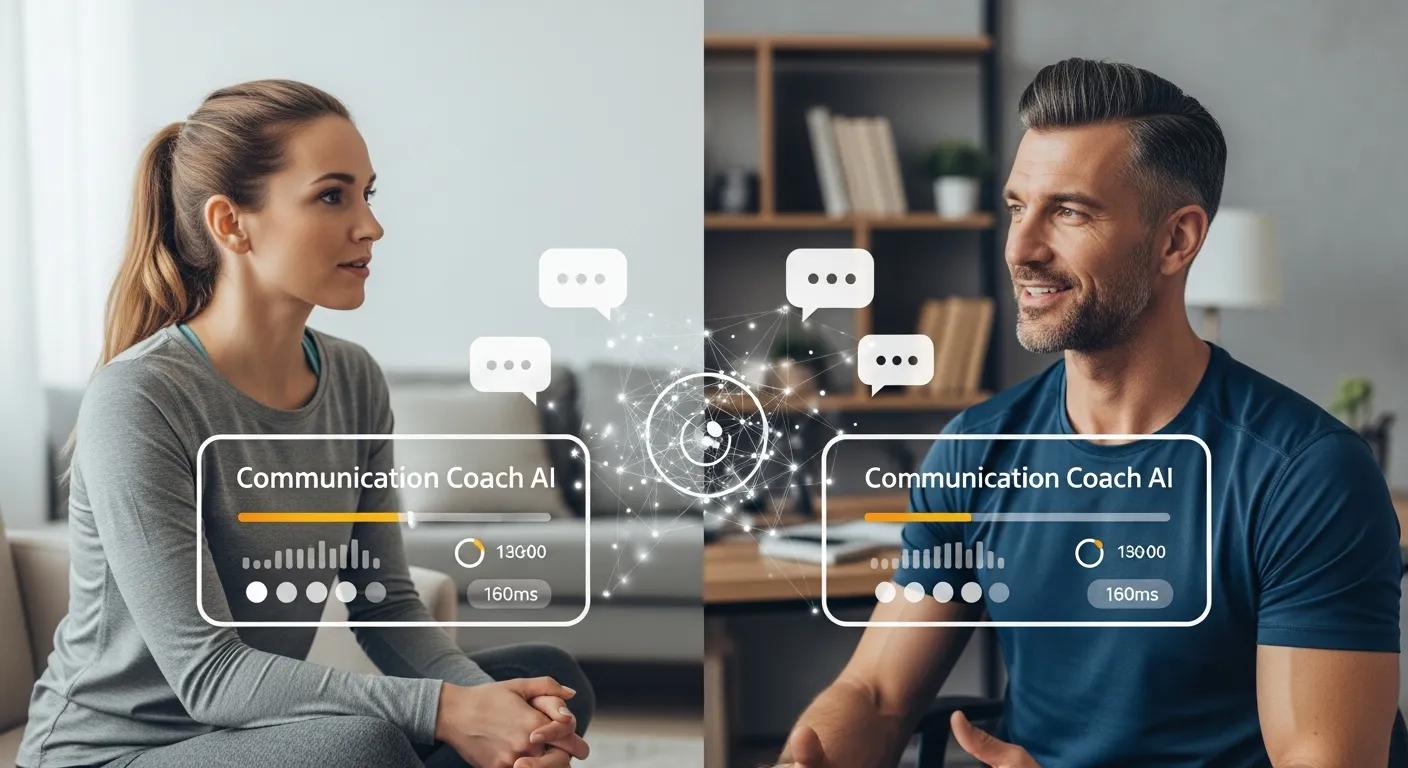
Clear, timely communication is the backbone of great coaching. Today’s online personal training platforms give trainers practical ways to stay connected, deliver tailored programs, and keep clients motivated between sessions. In this guide we explain how those tools improve communication, highlight the features coaches rely on most, and show how thoughtful workflows drive better engagement and retention. You’ll get a snapshot of program-delivery best practices and real-world examples that show these tools in action.
That practical approach reflects research on using information and communication technology (ICT) to boost eCoaching for healthier routines.
eCoaching Methodologies: ICT applied to health coaching
The review describes how specific coaching processes and methods can be supported by information and communication technology to improve electronic coaching (eCoaching) for promoting healthier lifestyles. Human coaching methodologies for automatic electronic coaching (eCoaching) as behavioral interventions with information and communication technology …, A Chatterjee, 2021
Core features of virtual coaching software that improve client communication
Virtual coaching platforms are built to make communication easier and more consistent. Typical features include in-app messaging, structured program delivery, and automated notifications that keep clients on track. Beyond messaging, these tools let trainers monitor progress, share feedback, and quickly adjust plans — all of which support a more responsive client experience.
How communication tools boost client engagement and retention

When trainers offer multiple, convenient ways to connect — instant messages, voice notes, or video check-ins — clients feel more accountable and supported. Research and practitioner experience both show that regular, meaningful contact increases adherence to programs and reduces drop-off. Small gestures like a timely reminder or a quick progress note can make a big difference in motivation.
This focus on steady, personalized contact is central to digital coaching, where technology extends the trainer’s reach and delivers ongoing guidance.
Digital coaching: continuous, personalized support Digital coaching introduces feedback, timely suggestions, and ongoing guidance through sport and wellness technology — making programs more motivating and easier to follow even when human interaction is limited. Experiences of digital coaching supporting physical activity and exercise, E Kettunen, 2022
Which platform features make messaging and notifications smooth?
Look for features that keep conversations simple and timely:
- Instant Messaging: Real-time chats for quick questions, adjustments, and encouragement.
- Automated Notifications: Scheduled reminders for workouts, nutrition tasks, and upcoming sessions.
- Progress Tracking: Share measurable updates and coach feedback that clients can see at a glance.
Together these capabilities help trainers maintain consistent, relevant contact without adding busywork.
How client-management software streamlines program delivery and communication
A good trainer platform brings planning, delivery, and messaging into one place so you spend less time switching tools and more time coaching. Centralizing client data, programs, and conversations reduces admin overhead and makes it easier to deliver personalized plans at scale.
Consolidating functions into a single platform addresses common inefficiencies trainers face when juggling multiple apps and documents.
Fitness studio CRM: combine client workflows in one tool
When trainers must flip between devices, PDFs, and separate apps, work becomes tedious and time-consuming. A unified CRM that stores leads, client records, and program details in one place simplifies day-to-day tasks and makes business intelligence far more useful because all data lives together. FNH-CRM–Management tool for fitness studios, 2020
Best practices for using program-delivery tools to deepen client interaction
To get the most from delivery tools, follow these practical steps:
- Regular check-ins: Schedule consistent touchpoints to review progress and solve issues before they grow.
- Personalized programs: Use templates and client data to build plans that match each person’s goals and constraints.
- Feedback loops: Encourage client input and make visible adjustments so coaching feels collaborative.
Applied consistently, these habits help clients feel seen and supported — which improves satisfaction and loyalty.
How customizable templates help keep communication personal

Templates speed up program creation while allowing targeted customizations. Trainers can reuse proven structures, tweak them to fit a client’s needs, and push updates instantly. That balance of efficiency and personalization keeps messages relevant and shows clients you’re tracking their progress.
Strategies to scale your coaching business with better digital communication
As your client list grows, strong communication systems prevent quality from slipping. Online training platforms give you automation and organization so you can expand without losing the personal touch that keeps clients engaged.
How communication tools support growth for gyms and studios
Communication software helps owners and trainers manage more clients while preserving individualized attention. Automated sequences, client tags, and organized messaging make it possible to maintain consistent, tailored outreach even as volume increases — essential for sustainable growth.
Which automation and integrations speed up client messaging?
Key automation and integration features to watch for:
- Automated responses: Address common questions instantly and free up time for higher-value coaching.
- Third-party integrations: Connect calendars, messaging apps, and tracking tools to keep workflows seamless.
- Data analytics: Use interaction data to spot trends and fine-tune your communication approach.
These elements reduce manual work and let you focus on coaching outcomes rather than admin.
How to integrate third-party messaging apps with your coaching software
Linking familiar messaging platforms to your coaching system lets clients use tools they already prefer while preserving coaching workflows and records inside your platform.
Benefits of supporting popular messaging platforms
Integrating common messaging apps brings clear advantages:
- Familiarity: Clients engage more when they can use apps they already know.
- Better responsiveness: Real-time chat options increase the speed of replies and reduce friction.
- Higher satisfaction: Convenience improves the client experience and perception of your service.
Those benefits combine to create smoother, more consistent communication.
How integration improves engagement and program updates
When trainers can push program updates through a client’s preferred channel, information reaches them faster and gets acted on sooner. That immediacy keeps clients informed, motivated, and accountable — all factors that support better results.
Real-world examples: improved communication with online coaching software
Case studies from coaches who adopted online platforms consistently report stronger client relationships and higher retention. The right tools make it easier to stay present between sessions and to show measurable progress.
How trainers have increased retention with digital communication
Trainers who use regular check-ins, timely messages, and visible progress updates tend to keep clients longer. Simple routines — a weekly message, a short progress note after a session — often translate into higher satisfaction and better adherence to plans.
Case studies that showcase Coach Catalyst’s communication features
Coaches using Coach Catalyst have highlighted the platform’s messaging and program-delivery features for improving client engagement. By combining streamlined workflows with personalized touchpoints, trainers create a more consistent experience that helps grow and retain their client base.
| Feature | Description | Benefit |
|---|---|---|
| Messaging Tools | Real-time communication channels | Strengthens client engagement |
| Program Delivery | Customizable fitness plans | Delivers a tailored client experience |
| Automated Notifications | Reminders for workouts and appointments | Keeps clients accountable |
Learn More
To learn more about optimizing your coaching business, visit Contact Coach Catalyst.
Frequently Asked Questions
Which clients benefit most from online personal training software?
Clients who need flexibility — busy professionals, parents, or people with irregular schedules — get a lot from online coaching. So do beginners and anyone who thrives on regular feedback. The platform’s mix of structured programs and easy check-ins keeps these clients engaged and accountable.
How can trainers ensure clear communication using online tools?
Set expectations up front: agree on response times, preferred channels, and check-in frequency. Use automated reminders for routine tasks and schedule regular reviews. Finally, invite client feedback so you can adapt communication to their preferences.
What challenges do trainers face with online training software?
Common hurdles include technical hiccups, clients who resist new tools, and the discipline required for consistent follow-up. Overcome these issues with simple onboarding, clear guidance, and a few hands-on tutorials to get clients comfortable.
How does online personal training software increase accountability?
The software provides clear tasks, scheduled check-ins, and automated nudges that encourage consistent behavior. Progress tracking and coach feedback make actions visible — which motivates clients to stick with their plans.
Can online personal training software support group coaching?
Yes. Many platforms include group video, shared programs, and group messaging that create community and accountability. Group sessions can be structured so everyone stays engaged while you scale your coaching.
What role does data analytics play in client communication?
Analytics reveal engagement patterns, program effectiveness, and when clients need extra attention. Use those insights to personalize outreach, refine programs, and prioritize clients who will benefit most from additional support.
How do trainers transition clients smoothly to online software?
Start with a clear onboarding flow: short tutorials, quick one-on-one setup calls, and visible examples of value (like sample weekly plans). Reinforce the benefits — flexibility, clearer guidance, and easier communication — and be available to answer questions during the first few weeks.
Conclusion
Online personal training software makes everyday coaching more consistent, personal, and scale-ready. By combining instant messaging, automated reminders, and structured program delivery, trainers deliver better support and keep clients motivated between sessions. Ready to see the difference? Explore how Coach Catalyst can simplify your workflows and strengthen client relationships.

