

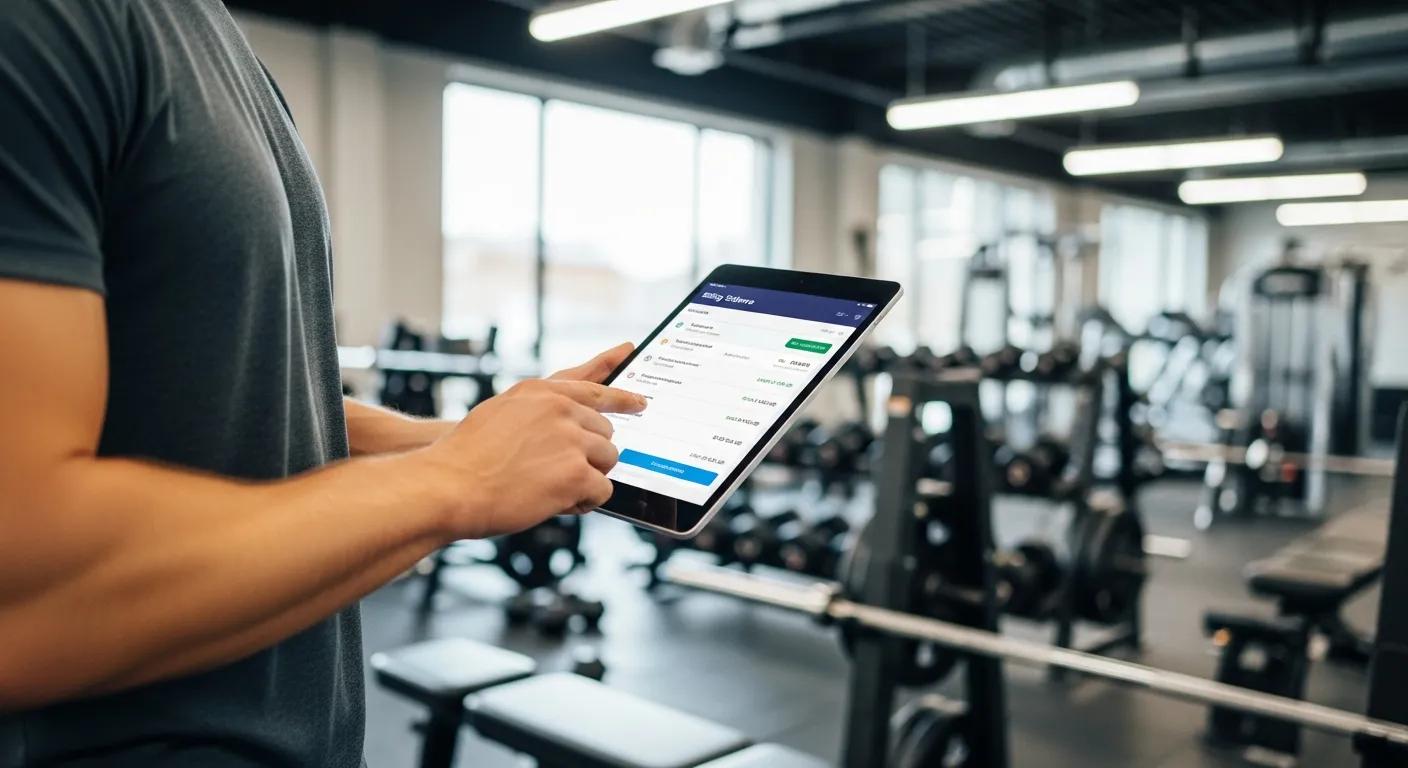
Efficient billing and payment management is essential for modern fitness coaches. Online personal training software centralises and automates these tasks to improve operational workflow. This article explains how such software simplifies payments so trainers can spend more time with clients and less on administration. It covers key billing features, the benefits of automation, effects on cash flow and client retention, payment‑gateway integration, and transaction security.
What Are the Key Features of Online Personal Training Billing Software?
Billing software for online personal training supports core financial tasks for coaches. Key features include:
- Client Management: This feature allows trainers to maintain detailed records of their clients, including payment history and subscription details, ensuring a seamless experience.
- Automated Progress Tracking: Trainers can automate the tracking of client progress, which helps in billing based on milestones achieved.
- Payment Processing: The software simplifies payment processing by integrating multiple payment methods, making it easier for clients to pay for services.
Research further highlights web-based systems that centralise management and secure payment processing for fitness centers.
Q-FitnessSystem: Web-Based Managementfor Gyms & Secure Payments
The Q-Fitness Gym System (QFGS) is a web-based management platform developed to improve operational efficiency at fitness centers through automation and integration. It centralises member registration, class scheduling, staff and instructor management, and secure payment processing. Implementations of QFGS show measurable gains in administrative productivity, resource utilisation, and member satisfaction by reducing manual work and providing an intuitive digital interface. Overall, QFGS bridges traditional operations and digital transformation. Q-Fitness Gym System: An Integrated Web Application for Smart Gym Operations and Member Engagement, 2025
Client Management
Client management is central to effective billing software. It consolidates client records so trainers can access payment histories, manage subscriptions, and handle communications quickly. This reduces administrative time and supports higher-quality coaching.
Automated Progress Tracking

Automated progress tracking records client milestones automatically and helps ensure billing aligns with services delivered. The feature saves time and gives clients a clear view of progress, which supports engagement and satisfaction.
How Does Billing Automation Improve Fitness Coaches’ Workflow?
Billing automation reduces manual payment tasks by automating invoices and reminders. It lowers errors and accelerates collections, freeing coaches to focus on client work and program development, which supports better outcomes.
Which Subscription Management Tools Enhance Client Retention?
Subscription management tools support client retention and stable revenue. They handle multiple subscription models and flexible payment plans—monthly, quarterly, or annual—so trainers can match client needs and improve satisfaction.
How Do Online Payment Solutions Support Secure and Efficient Transactions?
Online payment solutions use encryption and secure gateways to protect client data. This security builds trust and commonly supports multiple payment methods to simplify payments for clients.
What Payment Methods Are Commonly Supported by Trainer Billing Software?
Billing software supports several payment methods to match client preferences. Common options include:
- Credit and Debit Cards: The most widely used payment method, allowing for quick and easy transactions.
- Bank Transfers: Direct transfers from client bank accounts can be facilitated for larger payments.
- Digital Wallets: Services like PayPal and Apple Pay offer convenience for clients who prefer digital transactions.
Offering multiple payment options increases client convenience and the likelihood of timely payments.
Emerging technologies—such as QR-enabled cashless systems—offer new payment and monitoring options designed to improve efficiency and security in the fitness sector.
QR-Enabled Cashless Paymentsfor FitnessIndustry Management
This study develops and evaluates the King’s Way Cashless Payment and Product Monitoring System using QR technology for the fitness industry. The system aims to improve operational efficiency, enhance transaction security, and provide a seamless experience for members and administrators. Its novelty is the integration of QR transactions with automated membership and product monitoring in a single platform—an approach not yet common in small and medium-sized fitness enterprises. Revolutionizing Gym Management: A QR-Enabled Cashless System for Smarter Payments and Tracking, JR Bulaclac, 2025
How Is Payment Security Ensured in Automated Processing Systems?

Payment security is a primary concern for automated processing systems. They implement several protections, including:
- Encryption: Sensitive information is encrypted during transmission, making it unreadable to unauthorized parties.
- Tokenization: This process replaces sensitive data with unique identifiers, ensuring that actual payment information is not stored on servers.
- Compliance with Standards: Many systems comply with industry standards such as PCI DSS, which sets requirements for secure payment processing.
These protections maintain client trust and safeguard the integrity of financial transactions.
What Are the Benefits of Automated Payment Processing for Fitness Professionals?
Automated payment processing delivers key benefits for fitness professionals, including:
- Time Savings: Automation reduces the time spent on manual billing tasks, allowing trainers to focus on coaching.
- Improved Cash Flow: Timely payments through automated systems enhance cash flow, ensuring that trainers have the funds needed to operate their businesses effectively.
- Reduced Errors: Automation minimizes human errors in billing, leading to fewer disputes and improved client satisfaction.
How Does Automation Improve Cash Flow and Reduce Administrative Tasks?
Automation improves cash flow by ensuring prompt, accurate payments. It reduces administrative burden so trainers can focus on client engagement and program development, which supports business growth.
In What Ways Does Client Billing Management Software Enhance User Experience?
Billing software improves user experience with intuitive interfaces, automated reminders, accessible payment histories, and clear invoices. These features simplify payments and promote long-term client engagement.
How Can Fitness Coaches Integrate Payment Gateways with Their Coaching Software?
Integrating a payment gateway with coaching software is straightforward and improves billing efficiency. Typical steps include:
- Selecting a Payment Gateway: Coaches should choose a gateway that supports their preferred payment methods and offers robust security features.
- Configuring Settings: Once selected, coaches can configure the gateway settings within their coaching software to ensure smooth transaction processing.
- Testing Transactions: Before going live, it’s essential to test the payment process to ensure everything functions correctly.
Proper integration streamlines billing and improves the client payment experience.
Which Popular Payment Gateways Are Compatible with Online Training Platforms?
Popular gateways compatible with training platforms include:
- Stripe: Known for its ease of integration and support for various payment methods.
- PayPal: Offers a trusted platform for clients and is widely recognized.
- Square: Provides comprehensive payment solutions, including point-of-sale options.
These providers support secure transactions and provide clients with flexible payment choices.
What Are the Best Practices for Seamless Payment Integration?
For seamless integration, follow these best practices:
- Choose the Right Gateway: Select a payment gateway that aligns with your business model and client preferences.
- Ensure Security Compliance: Verify that the payment gateway complies with industry security standards to protect client data.
- Regularly Update Software: Keep your coaching software and payment systems updated to ensure compatibility and security.
Adopting these practices helps trainers deliver a smooth, secure payment experience.
What Case Studies Demonstrate Billing Efficiency Improvements Using Online Training Software?
Case studies report measurable efficiency gains from online training software. One trainer reduced administrative time by 30% after adopting automated billing, enabling more client-focused work. A fitness studio increased revenue by 25% after implementing subscription management tools, which improved retention and satisfaction.
How Have Fitness Coaches Increased Revenue Through Automated Billing?
Coaches have raised revenue by streamlining payments and reducing late payments, which helps maintain steady cash flow. Offering flexible subscription models has also attracted more clients and supported revenue growth.
What Client Success Stories Highlight Improved Payment Management?
Client examples illustrate the impact of better payment management. A nutritionist using Coach Catalyst reported a 40% rise in client retention after implementing automated billing, a result attributed to easier payments and an improved client experience.
Where Can Trainers Find Transparent Pricing and Support for Billing Software?
Trainers can find transparent pricing and dedicated support from multiple providers. Many, including Coach Catalyst, publish clear pricing and support details online to help trainers select the right solution for their needs.
What Are the Typical Subscription Plans for Personal Trainer Billing Software?
Typical subscription plans vary by features and services. Common tiers include:
- Basic Plan: Often includes essential features like client management and basic billing for a lower monthly fee.
- Standard Plan: Typically offers additional features such as automated progress tracking and advanced reporting tools.
- Premium Plan: Includes all features, along with priority support and customization options for a higher monthly fee.
These tiers let trainers select a plan that matches their business requirements and budget.
How Can Trainers Access Demos and Onboarding Resources?
Most providers offer demos, free trials, and onboarding resources on their websites. Tutorials and customer support help ensure a smooth transition to new software.
To see how Coach Catalyst can streamline your billing and payment processes, sign up for a demo today.
Interested in seeing how Coach Catalyst can help your business? Schedule a demo call to learn more.
For transparent pricing and plan details, visit the Coach Catalyst pricing page.
Frequently Asked Questions
What are the advantages of using automated billing software for personal trainers?
Automated billing saves time, improves cash flow, and reduces billing errors. Automating invoices and reminders frees trainers to focus on clients and supports timely payments. It also enables clearer financial tracking and better insight into client engagement.
How can trainers ensure compliance with payment security standards?
Choose billing software that complies with standards such as PCI DSS. Use encryption and tokenization, keep systems updated, and perform periodic audits. Following these practices helps protect client data and maintain trust.
What role does client feedback play in improving billing software?
Client feedback reveals usability issues and payment pain points. Collecting and acting on feedback helps prioritise updates that improve the interface and client satisfaction, supporting long-term relationships.
How can trainers effectively market their services using billing software?
Leverage billing features to create compelling offers—flexible payment plans, discounts for long-term subscriptions, and targeted promotions. Use reporting tools to segment clients and tailor marketing based on behaviour and preferences to improve acquisition and retention.
What should trainers consider when choosing billing software?
Evaluate ease of use, integration with existing systems, supported payment methods, security features, customer support, pricing, and scalability. Ensure the software aligns with current needs and can grow with the business.
How can trainers track their financial performance using billing software?
Use built-in reporting and analytics to monitor revenue trends, retention rates, and payment history. Regular review of these metrics identifies opportunities to optimise pricing or engagement and supports informed business decisions.
What are the common challenges trainers face with billing software?
Common challenges include integration with existing systems, learning complex features, and maintaining data security. Client adoption of new payment methods can also lag. Address these issues with training, vendor support, and iterative improvements based on feedback.
Conclusion
Personal trainer billing software improves the efficiency of payment management, enabling trainers to prioritise client engagement over administrative work. Automation supports cash flow and strengthens client relationships through seamless transactions. Selecting the right software streamlines operations and enhances business performance. Explore our solutions to transform your billing processes.

