

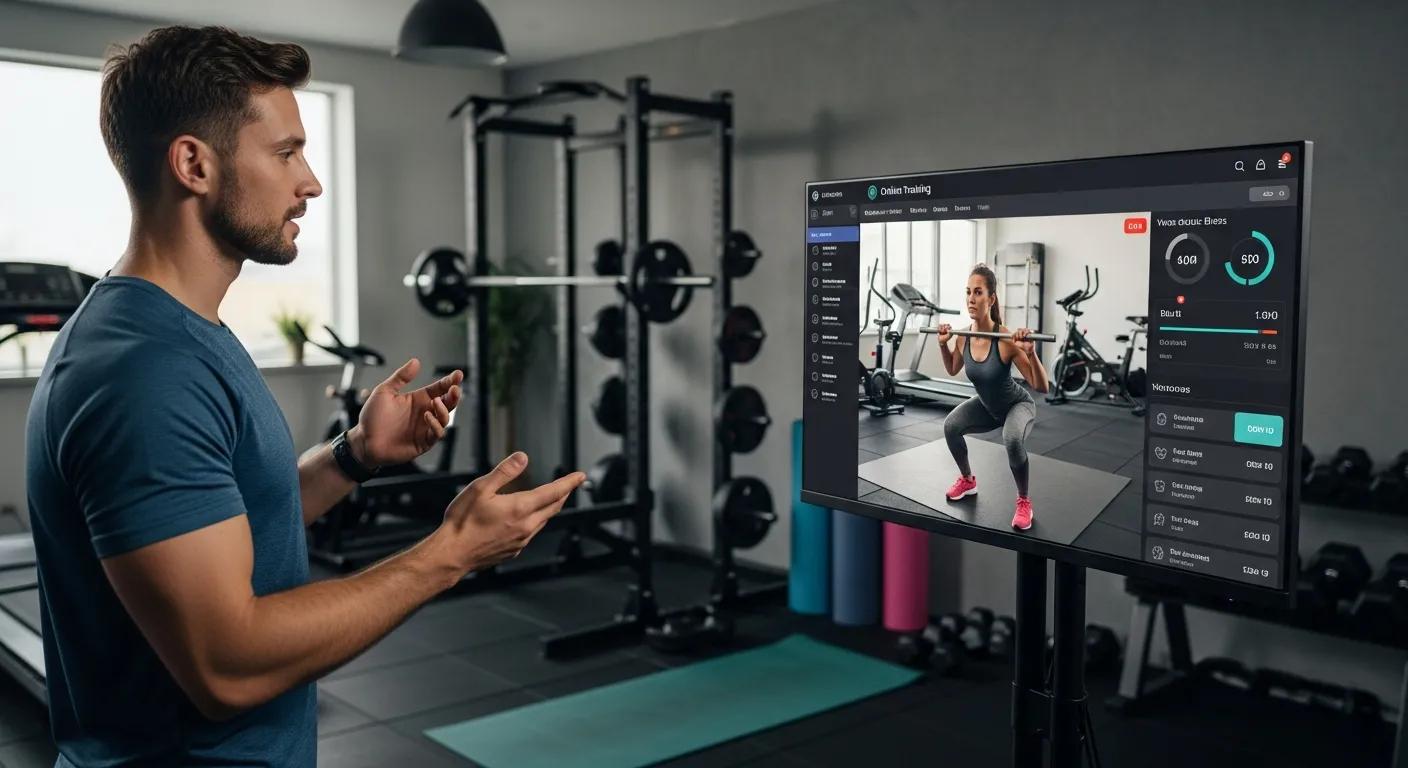
The fitness industry keeps moving fast, and trainers are turning to smarter software to scale their work. In 2026, demand for online personal‑training platforms will come from the need to manage clients, deliver programs, and run a growing business more efficiently. This guide walks through the must‑have capabilities—client management, program delivery, advanced features, and business tools—so coaches can deliver better, more personalized training and grow with confidence.
What core client‑management features should online personal‑training software include?

Great client management saves time and keeps coaches focused on results. Look for fast onboarding, clear profile records, reliable scheduling, and built‑in communication. Together these features reduce busywork and strengthen the coach‑client relationship.
How does seamless client onboarding and profile management improve coaching efficiency?
Efficient onboarding and tidy profiles let trainers collect the right client details up front—goals, health history, preferences—so programs start on day one. Ongoing profile management makes it simple to track progress, update goals, and keep records current, which means every session is more focused and useful.
What scheduling and communication tools enhance client engagement?
Integrated calendars, automated reminders, and notifications cut no‑show rates and keep everyone on the same page. Built‑in messaging and video capabilities enable quick check‑ins and real‑time coaching. These features boost accountability and make it easier for clients to follow through on their plans. Coach Catalyst bundles these tools so trainers can manage schedules and conversations without juggling apps.
Coach Catalyst provides a client‑management suite that combines onboarding, profiles, scheduling, and communication into one workflow to improve engagement and save time.
Which program‑delivery and tracking features empower effective fitness coaching?
Delivering programs and tracking progress are where coaching wins happen. The right platform lets trainers build custom workouts, monitor results, and adapt plans. Core tools include a flexible workout builder, nutrition logging, and habit tracking—so coaching covers both training and behavior.
How does a dynamic workout builder support personalized training plans?
A dynamic workout builder helps trainers assemble workouts that match each client’s level and goals. By mixing exercises, sets, reps, and progressions, coaches can keep sessions challenging and varied. A clean, user‑friendly interface makes it easy for clients to view workouts, log performance, and give feedback—making coaching a two‑way process.
Why are nutrition tracking and habit monitoring vital for client success?
Exercise alone rarely delivers the full picture. Nutrition tracking lets clients log meals and gives coaches the context to make practical dietary suggestions. Habit tracking targets daily behaviors—sleep, steps, hydration—that drive long‑term results. Together, these tools help clients make smarter choices and stay accountable between sessions.
Below is a quick comparison of core program features offered by leading platforms:
| Feature | Description | Benefit |
|---|---|---|
| Dynamic Workout Builder | Create and customize exercise programs | Programs that match each client’s needs |
| Nutrition Tracking | Log meals and track macronutrients | Smarter dietary guidance |
| Habit Monitoring | Track daily behaviors and routines | Better long‑term adherence |
These delivery features help trainers offer complete, measurable coaching that leads to better outcomes.
Coach Catalyst includes a dynamic workout builder and nutrition tools so trainers can deliver fully personalized programs.
What advanced features will set leading personal‑trainer software apart in 2026?
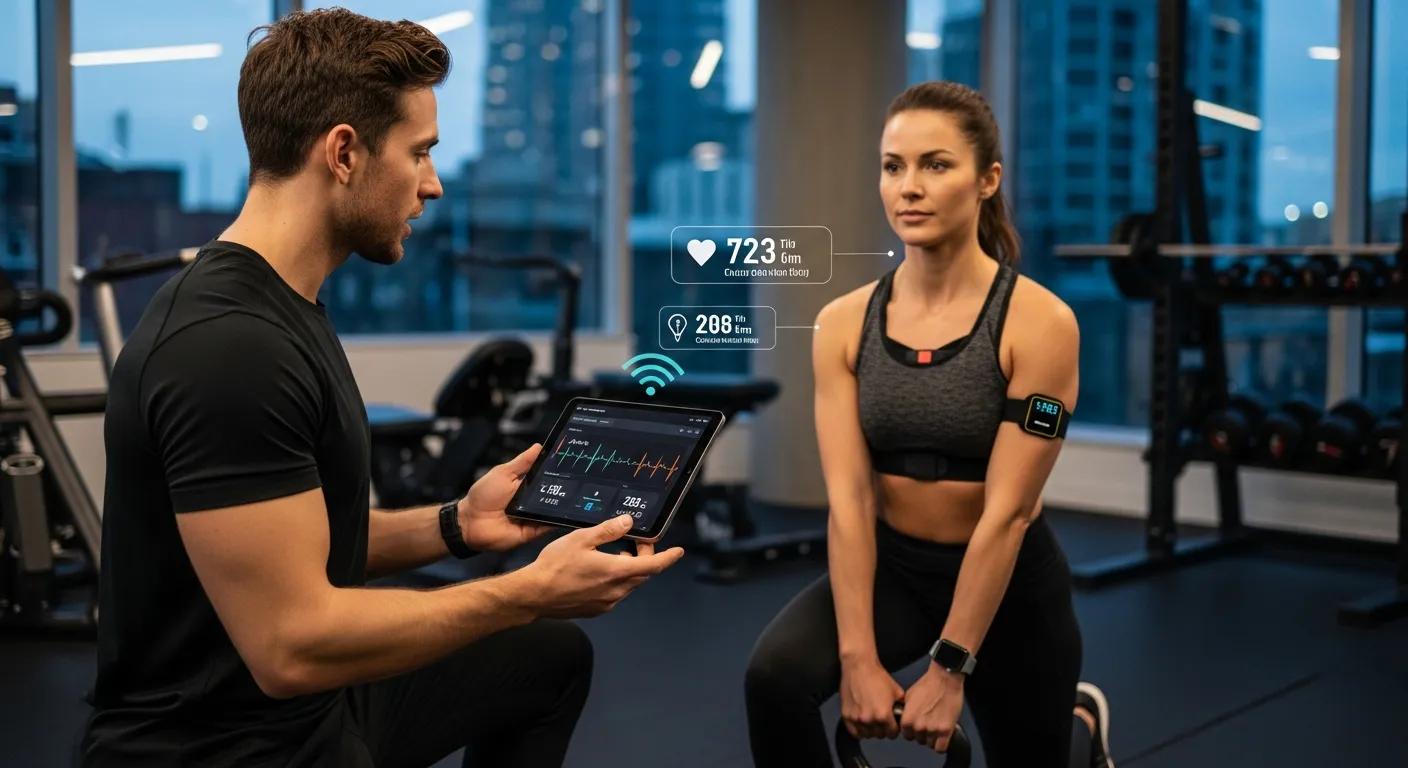
Advanced capabilities are increasingly the difference between good tools and great ones. In 2026, expect winners to offer AI coaching, wearable integration, and deep customization—features that improve the client experience and surface actionable insights for coaches.
How does AI‑driven coaching enhance workout planning and insights?
AI helps turn data into practical adjustments. By analyzing performance and trends, AI can recommend program tweaks, progression pacing, and recovery needs—so coaches spend less time guessing and more time coaching. It also uncovers patterns in client behavior that inform smarter, individualized strategies.
What benefits does wearable device integration bring to fitness coaching?
Connecting to wearables gives trainers real‑time metrics—heart rate, calories, activity levels—that inform session intensity and recovery decisions. Wearable data supports timely feedback, keeps clients honest about their daily habits, and strengthens accountability through objective tracking.
The table below highlights advanced features that distinguish best‑in‑class platforms:
| Feature | Description | Benefit |
|---|---|---|
| AI‑Driven Coaching | Data‑based recommendations and insights | Smarter program adjustments |
| Wearable Integration | Sync real‑time performance metrics | Immediate feedback and better tracking |
| Customization Options | Branding and personalized UX settings | Stronger client satisfaction and retention |
These advanced tools help trainers stay competitive and deliver more effective, data‑driven coaching.
Coach Catalyst supports AI features and wearable sync so coaches can act on real performance data.
How do business‑management tools support scaling and growth for fitness coaches?
To grow a coaching business you need systems that handle admin, billing, and client journeys. The right tools automate repetitive tasks, improve retention, and surface metrics that guide business decisions—freeing coaches to focus on client results and revenue growth.
What role does automated billing and payment processing play in business efficiency?
Automated billing removes invoicing headaches and speeds cash flow. When payments run smoothly, coaches spend less time on admin and more on serving clients. The convenience of automatic billing also helps reduce churn and improve the client experience.
How do automated client journeys and reporting improve retention and analytics?
Automated workflows guide clients through onboarding, check‑ins, and milestones so they get timely support without manual follow‑up. Reporting tools reveal what’s working—client progress, revenue trends, churn signals—so coaches can make smarter decisions backed by data. Automation plus insight equals better retention and steady growth.
Summary of business tools that help scale a coaching practice:
| Tool | Feature | Benefit |
|---|---|---|
| Automated Billing | Recurring invoices and payments | Steadier cash flow and less admin |
| Client Journey Automation | Prebuilt workflows and reminders | Higher engagement and retention |
| Reporting Tools | Business and client performance dashboards | Data‑driven decisions |
These tools let trainers scale without losing the personal touch that delivers results.
Coach Catalyst includes billing automation and robust reporting so coaches can run a professional, growth‑oriented business.
Why is a branded mobile app a must‑have feature for online personal‑training platforms?
A branded mobile app gives clients a single, convenient place for workouts, messaging, and progress tracking—while keeping your brand front and center. Apps increase accessibility and engagement through push notifications and personalized content.
How does customization and push notifications enhance client experience?
Customizing the app to reflect your brand makes interactions feel cohesive and professional. Push notifications are a powerful tool for reminders, motivation, and quick updates—small nudges that keep clients consistent and connected to their program.
What impact does a mobile app have on client retention and engagement?
Clients who use an app engage more consistently and are likelier to stick with their programs. Easy access to workouts, real‑time feedback, and progress tracking boosts motivation and accountability—key drivers of long‑term retention.
The benefits of a branded mobile app at a glance:
| Feature | Benefit | Impact |
|---|---|---|
| Customization | Reflects your brand | Stronger client loyalty |
| Push Notifications | Timely reminders and nudges | Higher engagement |
| Progress Tracking | Clear performance metrics | Better accountability |
In short, a branded app makes coaching stickier and keeps clients coming back.
Coach Catalyst offers a customizable mobile app so trainers can deliver a consistent, engaging client experience.
Frequently Asked Questions
What are the key benefits of using AI‑driven coaching tools in personal training software?
AI‑driven tools convert client data into practical guidance—suggesting program changes, highlighting trends, and flagging recovery or progression needs. That lets coaches deliver more individualized plans with less trial and error, improving outcomes and saving time.
How can personal trainers ensure data privacy and security when using online software?
Protecting client data is essential. Choose platforms that follow relevant regulations (GDPR, HIPAA where applicable), use encryption, strong authentication, and regular security updates. Be transparent with clients about data use and get clear consent—trust protects both your clients and your business.
What role does client feedback play in improving online personal training services?
Client feedback is the fastest path to better coaching. Surveys, check‑ins, and session notes reveal what’s working and where clients struggle. Use that insight to tweak programs, communication, and service delivery—showing clients you listen and improving retention.
How can trainers effectively market their online personal training services?
Good marketing mixes social proof, helpful content, and consistent outreach. Share client wins and process‑focused content on social channels, keep a clear website with services and testimonials, and use email to nurture leads. Partnerships and community engagement expand reach without heavy ad spend.
What are the advantages of integrating nutrition tracking into personal training software?
Nutrition tracking completes the coaching picture. It allows clients to log intake, helps coaches give targeted guidance, and improves adherence by making dietary patterns visible. Combining training and nutrition support produces better, faster results.
How can trainers utilize wearable technology to enhance client coaching?
Wearables provide objective data on activity, intensity, and recovery. Integrating that data into coaching helps tailor session intensity, spot trends, and hold clients accountable. When used well, wearables make coaching more responsive and evidence‑based.
Conclusion
Choosing the right online personal‑training software changes how you coach and grow. Prioritize tools for client management, program delivery, advanced insights, and business operations—these will help you deliver more personalized, efficient, and scalable coaching. Ready to level up? Explore how Coach Catalyst can modernize your practice and keep your clients progressing.

