


Picking the right online personal training software changes how you deliver coaching and how clients experience progress. This guide breaks down the features that matter and shows how to match tools to your coaching style — whether you focus on strength, nutrition, habit change, or a mix of those. Understand your methods, prioritize the features your clients need, and you’ll spend less time on admin and more time coaching. Below, we’ll explain how to identify your training style, the key features to evaluate, and why Coach Catalyst is worth a close look.
Recent studies also show AI-driven coaching tools are expanding access to professional coaching while lowering costs for many clients.
AI Coaching Technology: Increasing Access and Affordability
Recent advances in coaching technology are making evidence-based support more available and affordable. As demand for scalable, effective coaching grows, AI-powered tools are emerging as a practical supplement to human coaches — helping deliver timely guidance and personalized recommendations at scale.
Unearthing AI coaching chatbots capabilities for professional coaching: a systematic literature review, L Plotkina, 2024
What Is Your Unique Training Style and Why It Matters for Software Choice
Your training style defines how you structure programs, communicate with clients, and measure results. It covers your coaching philosophy and the methods you use — from strength programming to nutrition counseling to habit-based behavior change. Knowing your style helps you choose software that supports your workflow and improves client outcomes.
How to Identify Your Coaching Methodology and Core Needs
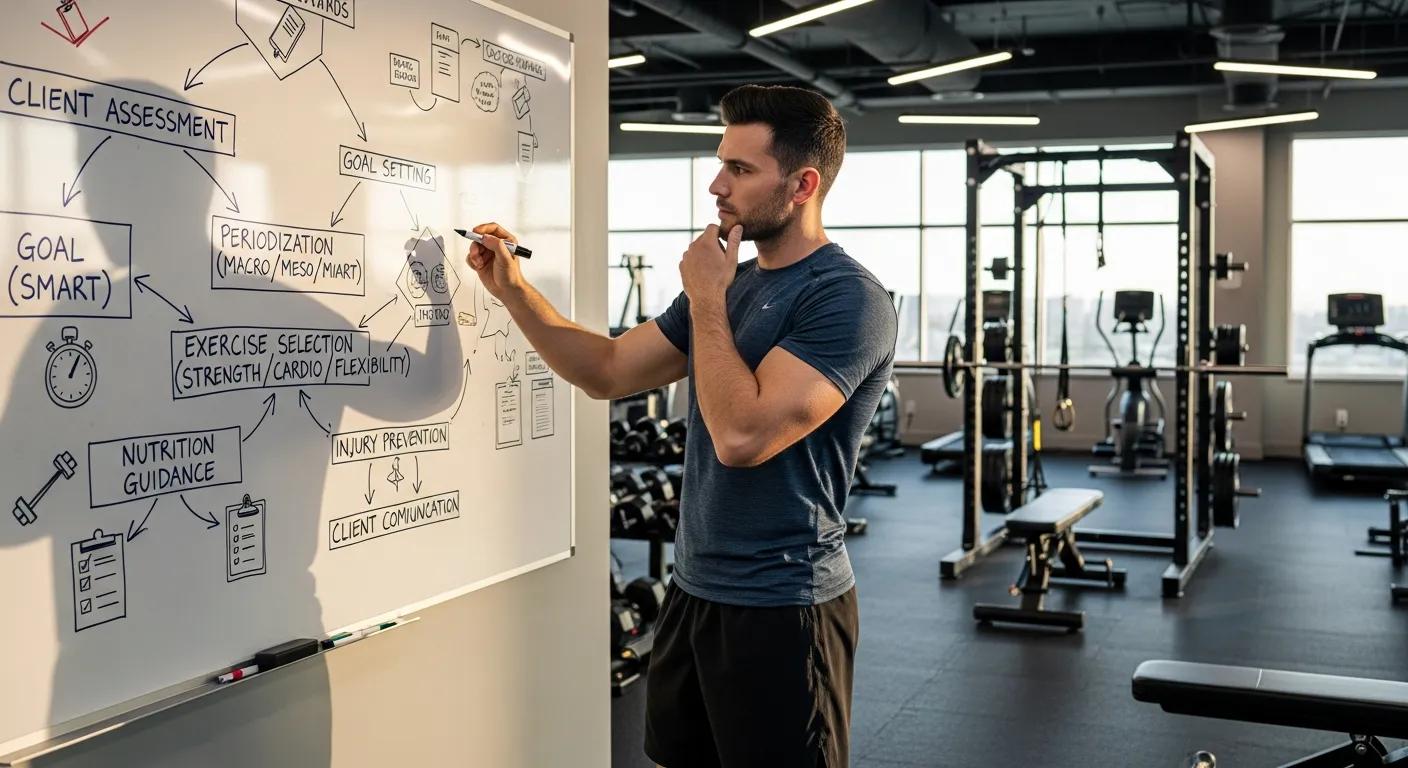
Answering a few focused questions will clarify what you actually need from software:
- What are your main training goals? Do you prioritize strength gains, athletic conditioning, weight loss, or long-term wellness?
- Which tools do you use day-to-day? Are meal plans, habit trackers, video demos, or progress logs central to your process?
- What do your clients need most? Do they want accountability, simple programming, hands-on coaching, or detailed nutrition guidance?
Those answers will point you to the features that help you coach more effectively and keep clients engaged.
Which Software Features Pair Best with Strength, Nutrition, and Habit-Based Coaching
Different approaches benefit from different tools. Consider these alignments when you evaluate platforms:
- Strength Coaching: A flexible workout builder, exercise library with video, and clear progress tracking make program delivery fast and measurable.
- Nutrition Coaching: Meal planning, food logging, and tools that surface eating patterns let you integrate diet guidance into your training plans.
- Habit-Based Coaching: Habit trackers, check-ins, and simple behavior prompts help clients build consistency and sustain change.
Match feature sets to your methods and you’ll create a smoother experience for both you and your clients.
What Key Features Should You Look for in Online Personal Training Software?
The right platform reduces admin, improves client clarity, and helps you scale without losing quality. Look for core features that support your day-to-day coaching.
How Client Management Improves Coaching Efficiency
Good client management keeps information organized and communication fast. It typically delivers:
- Simplified Communication: Built-in messaging and notifications keep clients on track and reduce fragmented conversations.
- Personalized Programs: Client profiles, goals, and history let you tailor plans and show progress clearly.
- Saved Time: Automations for onboarding, reminders, and recurring tasks free up hours you can spend coaching.
Robust client management helps you deliver a consistent, professional experience without extra busywork.
Benefits of Workout Builders and Program Design Tools
Workout builders are where coaching meets execution. The right tools let you:
- Customize Effortlessly: Build programs quickly from a reusable library or drag-and-drop templates.
- Track Progress: Capture weights, reps, and metrics to show real improvement over time.
- Engage Clients: Interactive plans and clear visual cues keep clients motivated and compliant.
These tools make program design faster and outcomes easier to prove.
How Nutrition and Habit Tracking Features Support Client Engagement
Nutrition and habit tools are central to long-term results. They bring structure and visibility to behavior change.
Why Nutrition Coaching Integration Matters for Personal Trainers

Integrating nutrition into your coaching delivers clear benefits:
- Whole-person Results: Aligning workouts with nutrition improves outcomes faster than training alone.
- Better Accountability: Food logs and meal plans make it easier for clients to stay consistent.
- Stronger Outcomes: Clients who follow tailored nutrition plans usually reach goals more reliably.
Offering nutrition tools makes your coaching more complete and more effective.
How Habit Tracking Increases Accountability and Retention
Habit tracking turns daily actions into measurable wins. It helps clients:
- Set Clear Habits: Break goals into achievable daily behaviors.
- See Progress: Small, tracked wins build confidence and momentum.
- Get Relevant Feedback: You can offer timely coaching based on real habit data.
Consistent habit tracking supports long-term retention and better client outcomes.
Digital accountability tools, especially apps that reinforce intrinsic motivation, are proving powerful at helping clients form lasting habits.
AccountabilityApps: DigitalTools That Support Lasting Change
Explore how accountability tools bridge motivation and action: they account for cultural differences, tap into psychological drivers, and provide structure that helps people stick with new behaviors. When paired with coaching, these apps can accelerate sustained change and support client progress.
The Ultimate Guide to Accountability Apps
Which Communication, Community, and Business Automation Tools Boost Coaching Success?
Strong communication and community features keep clients engaged; automation saves time so you can focus on coaching. Look for platforms that balance both.
How In-App Messaging and Community Features Strengthen Client Relationships
Built-in messaging and community spaces help you deliver consistent support by:
- Enabling Fast Feedback: Quick check-ins and follow-ups keep momentum between sessions.
- Creating Peer Support: Group areas and challenges foster belonging and shared accountability.
- Encouraging Interaction: Regular interaction creates habits and keeps clients invested in the process.
These features help you build a stronger coaching culture without extra overhead.
Which Business Automation and Payment Tools Streamline Operations?
Automation simplifies the business side of coaching so you can scale without chaos:
- Payments: Automated billing and subscriptions reduce missed invoices and reconcile income easily.
- Scheduling: Integrated calendars and booking cut double-booking and simplify client bookings.
- Reporting: Built-in analytics show revenue, retention, and engagement so you can make smarter decisions.
These tools let you run a clean, professional practice and spend more time with clients.
How Does Coach Catalyst Compare to Other Top Online Personal Training Software?
Not every platform supports every coaching style. Coach Catalyst focuses on versatility and simplicity — useful for trainers who want powerful tools that are easy to adopt.
Software features matter, but so does the team behind the product. To learn about the people building and supporting the platform, visit the Coach Catalyst team page and see our mission in action.
What Unique Advantages Does Coach Catalyst Offer for Different Training Styles?
Coach Catalyst is designed to adapt to how you coach. Key benefits include:
- Flexible Customization: Configure templates, workflows, and client views to match your methodology.
- Built-in Nutrition Tools: Integrated meal planning and tracking make it easy to combine training and nutrition coaching.
- Clean, Intuitive Interface: A straightforward design helps trainers and clients get things done without a steep learning curve.
Those strengths make Coach Catalyst a practical choice for coaches who want depth without complexity.
That trial window makes it easier to test workflow fit and client experience before signing up. If you need help deciding, you can always contact Coach Catalyst directly for a walkthrough or a demo.
Frequently Asked Questions
What factors should I consider when choosing online personal training software?
Start with your coaching style and the client experience you want to deliver. Prioritize features that support your workflow (program builders, nutrition tools, habit trackers), check the user interface for ease of use, and evaluate support options and pricing. The platform should save you time and help clients get better results.
How can I ensure my clients stay engaged with the training software?
Use tools that make progress visible and interaction easy: habit trackers, clear progress metrics, in-app messaging, and community features. Regular check-ins, updated programs, and personalized feedback keep clients motivated and accountable.
What role does customer support play in choosing training software?
Strong support matters. Look for platforms with multiple support channels (chat, email, knowledge base) and helpful onboarding resources. Good support speeds up setup and reduces friction for you and your clients.
Are there specific software features that enhance nutrition coaching?
Yes. Meal plans, food logging, recipe libraries, calorie and macronutrient tracking, and the ability to tie nutrition data to training outcomes make nutrition coaching practical and actionable for clients.
How can I assess the effectiveness of my chosen software?
Track client retention, engagement rates, and client feedback. Monitor whether the platform reduces admin time and improves outcomes. Run short trials with new clients or use the vendor’s trial period to test workflows before committing long-term.
What are the advantages of using AI in personal training software?
AI can personalize recommendations, speed up program creation, and offer instant responses through chat tools. It helps scale individualized guidance while freeing you to focus on higher-value coaching tasks. Used thoughtfully, AI complements — not replaces — your expertise.
Conclusion
Choosing the right online personal training software comes down to fit: the features you need, the client experience you want to deliver, and the ease of running your business. Align the platform with your coaching style, test it with a trial, and prioritize tools that save you time while improving client outcomes. If you’re exploring options, Coach Catalyst offers a balanced set of features and a user-friendly design to help you scale better coaching — start with a trial and see how it fits your process.

