


The fitness industry is moving fast, and more trainers are leaning on online personal training software to manage clients and run their businesses better. This guide walks through the leading solutions and explains how the right platform can improve client interactions, simplify progress tracking, and free you to focus on coaching. We’ll define what these tools do, highlight must-have features, look at how AI is changing coaching, cover integrations that matter, share scaling strategies, and compare pricing across top options.
What Is Online Personal Training Software and Why Do Coaches Need It?
Online personal training software is a set of digital tools built to help fitness pros manage clients, deliver programs, and keep operations organized. Coaches rely on these platforms for centralized client records, scheduling, progress tracking, and streamlined communication. Bringing technology into coaching not only improves the client experience but also makes it practical to scale your business without sacrificing quality.
Defining Online Coaching Platforms and Fitness Business Software
Online coaching platforms combine several capabilities that support a fitness business — client management, workout-building tools, nutrition logging, and more. Unlike paper notes or ad-hoc messages, these systems provide real-time updates and a single place to run your coaching, so you can respond faster and tailor programs as clients change.
Key Benefits of Using Personal Training Software for Client Management
Using personal training software gives coaches clear operational advantages, including:
- Better Communication: Built-in messaging and scheduling keep trainer and client aligned on goals, sessions, and feedback.
- Stronger Progress Tracking: Analytics and client logs let you monitor performance and make precise program adjustments.
- Time Saved: Automation handles admin tasks so you can spend more time coaching and less time on paperwork.
Among the platforms built for this work, Coach Catalyst is a practical example of software that helps trainers run clients, programs, and reporting from one place.
If you want to know who’s building these tools, meet the team behind the product to learn their approach to coaching technology.
Which Core Features Should the Best Personal Training Software Include?
When choosing software, prioritize features that directly support coaching and business workflows: client management, flexible program design, and integrations that reduce manual work.
How Does Client Management Software Streamline Trainer-Client Communication?
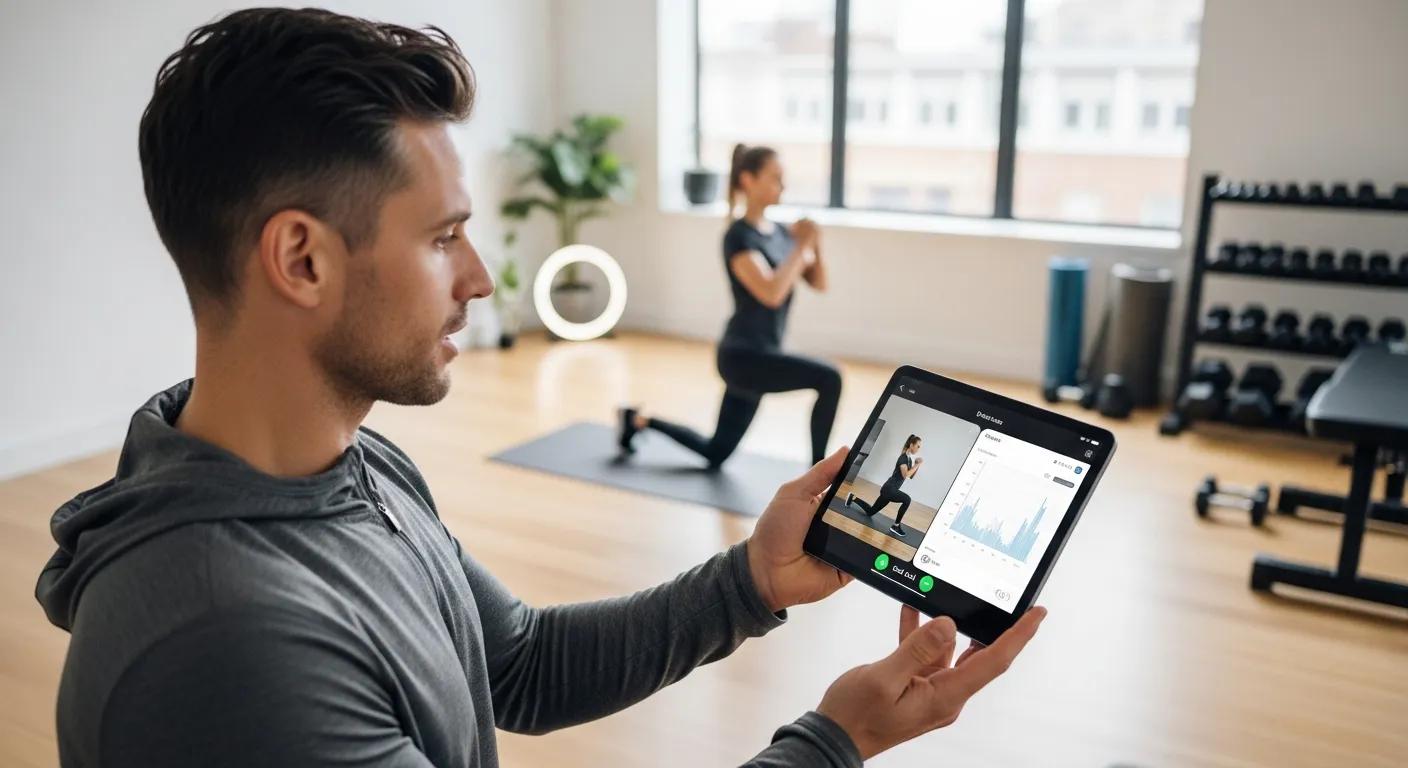
- In-App Messaging: Quick, centralized messages let you give feedback, answer questions, and keep momentum between sessions.
- Scheduling Tools: Built-in booking and calendar features reduce no-shows and make rescheduling simple.
Those capabilities improve the client experience and make your day-to-day more predictable.
What Program Design and Delivery Tools Enhance Fitness Coaching?
- Workout Builders: Create reusable workouts and customize plans to each client’s needs without starting from scratch every time.
- Nutrition Tracking: Meal logging and habit trackers let coaches see the full picture and make better recommendations.
Together, these tools let you deliver a more complete program — training plus lifestyle — that drives results.
How Does AI Enhance Online Coaching Platforms for Fitness Professionals?

AI is increasingly woven into coaching platforms to personalize programs and cut down on repetitive work. Smart features can analyze client data, surface trends, and recommend next steps — helping you give more tailored advice without extra admin time.
What Are the Benefits of AI-Powered Habit Coaching and Personalized Feedback?
- Targeted Feedback: AI reviews performance and suggests specific adjustments, so clients get timely, relevant guidance.
- Higher Engagement: Intelligent nudges and habit coaching make programs stickier and help clients stay consistent.
Those improvements let coaches deliver a higher-touch experience at scale.
How Can AI Support Business Growth and Client Engagement?
AI supports growth by automating routine tasks and turning client data into actionable insights. Use it to spot patterns in adherence or performance, prioritize outreach, and refine offerings based on what actually works. That data-driven approach boosts engagement and helps you make smarter business decisions.
What Integrations and Technology Features Boost Fitness Business Software?
Connecting your coaching platform to other tools expands its value. Look for solid integrations — wearables, payments, and accounting systems — that reduce manual work and keep client data unified.
How Does Wearable Technology Integration Improve Client Tracking?
- Track Activity Outside Sessions: Wearables capture daily movement and workouts so you can see progress beyond scheduled training.
- Boost Accountability: Sharing data with clients and using it in coaching conversations improves adherence.
Which Payment and Third-Party Integrations Streamline Operations?
- Smooth Payments: Integrated billing and subscriptions reduce friction when clients buy programs or renew plans.
- Accounting Connections: Syncing with finance tools saves time on bookkeeping and keeps your records clean.
These integrations let you focus on coaching while the tech handles routine tasks.
How Can Coaches Scale Their Fitness Business Using Online Coaching Software?
Scaling requires systems that deliver consistent client experiences and reduce manual work. The right software automates client journeys and provides reporting to inform growth decisions.
What Role Do Automated Client Journeys and Reporting Play in Growth?
- Simplified Onboarding: Automated welcome sequences and checklists get new clients set up quickly and reduce early churn.
- Actionable Reports: Progress and retention reports highlight opportunities to improve services or expand offerings.
Automation and visibility let you serve more clients without adding admin burden.
How Does a Branded Fitness App Enhance Client Retention and Engagement?
- Brand Consistency: A custom app reinforces your brand and creates a familiar, professional experience for clients.
- Deeper Interaction: Push notifications, challenges, and in-app content keep clients engaged between sessions.
A branded app can turn one-off clients into a community that sticks around.
What Are the Pricing Options and Value Propositions of Leading Personal Training Software?
Understanding pricing and the value each platform delivers is key to picking the right tool. Explore plan details to match features with your business needs and budget: Coach Catalyst pricing is one example to review alongside other vendors.
How Do Pricing Plans Compare for Online Fitness Coaching Apps?
| Software | Monthly Price* | Key Features |
|---|---|---|
| Coach Catalyst | Starting at $49 | Client management, program delivery, reporting tools |
| Trainerize | Starting at $19 | Workout builder, nutrition tracking, client messaging |
| TrueCoach | Starting at $19 | Program design, client communication, progress tracking |
*Estimated starting prices — final cost depends on plan tier and feature set.
What Free Trials and Support Services Are Available for Coaches?
Most platforms offer trial periods and support to help you evaluate their fit. When testing options, pay attention to:
- Trial Scope: Check how many features are available during the trial and how long it lasts.
- Support Options: Prefer vendors with live chat, email help, and solid learning resources to shorten your ramp-up time.
Good trial and support offerings make onboarding smoother and reduce the risk of choosing the wrong tool.
Frequently Asked Questions
What types of businesses can benefit from online personal training software?
Online personal training software fits a broad range of fitness businesses — independent trainers, boutique studios, gym-based coaches, and boot camp operators. These platforms centralize client data, simplify program delivery, and streamline communication, helping businesses provide consistent, personalized service at scale.
How can personal training software improve client retention rates?
Software improves retention by keeping clients engaged and accountable. Tools like messaging, progress tracking, and tailored programs maintain momentum and show clients measurable results. When you combine those tools with regular touchpoints and a branded experience, clients feel supported and are more likely to stick with the program.
What security measures should I consider when choosing personal training software?
Protecting client data is essential. Look for platforms that encrypt data in transit and at rest, offer secure payment processing, and comply with relevant regulations (GDPR, HIPAA where applicable). Regular security updates and audits are also important signs of a reliable vendor.
Can online personal training software integrate with other fitness apps?
Yes. Many platforms connect with wearables, nutrition apps, and payment processors so you can consolidate client data and automate workflows. Those integrations provide a fuller view of client activity and make day-to-day management more efficient.
What are the common challenges coaches face when using online training software?
Common issues include the initial learning curve, occasional technical hiccups, and underusing available features. Overcoming them usually means investing time in setup, using vendor support and training materials, and standardizing workflows so the platform becomes part of your routine.
How can I ensure my clients are using the software effectively?
Onboard clients with a short walkthrough, provide quick-start guides or video demos, and check in early and often to answer questions. Regular reminders and simple how-to resources help clients adopt the tools and get the most value from the platform.
Conclusion
Online personal training software gives coaches the systems they need to manage clients, automate routine work, and scale with consistency. By choosing a platform with strong communication tools, progress tracking, and useful integrations — plus smart AI features where helpful — you can deliver more personalized coaching and grow your business sustainably. Explore the options, try a few trials, and pick the solution that matches how you coach and where you want your business to go.

